 EN
EN
How a Plastic Bag Making Machine Enables End-to-End Custom Logo Production
Integrated Blown Film Extrusion, Printing, and Bag Conversion in One Line
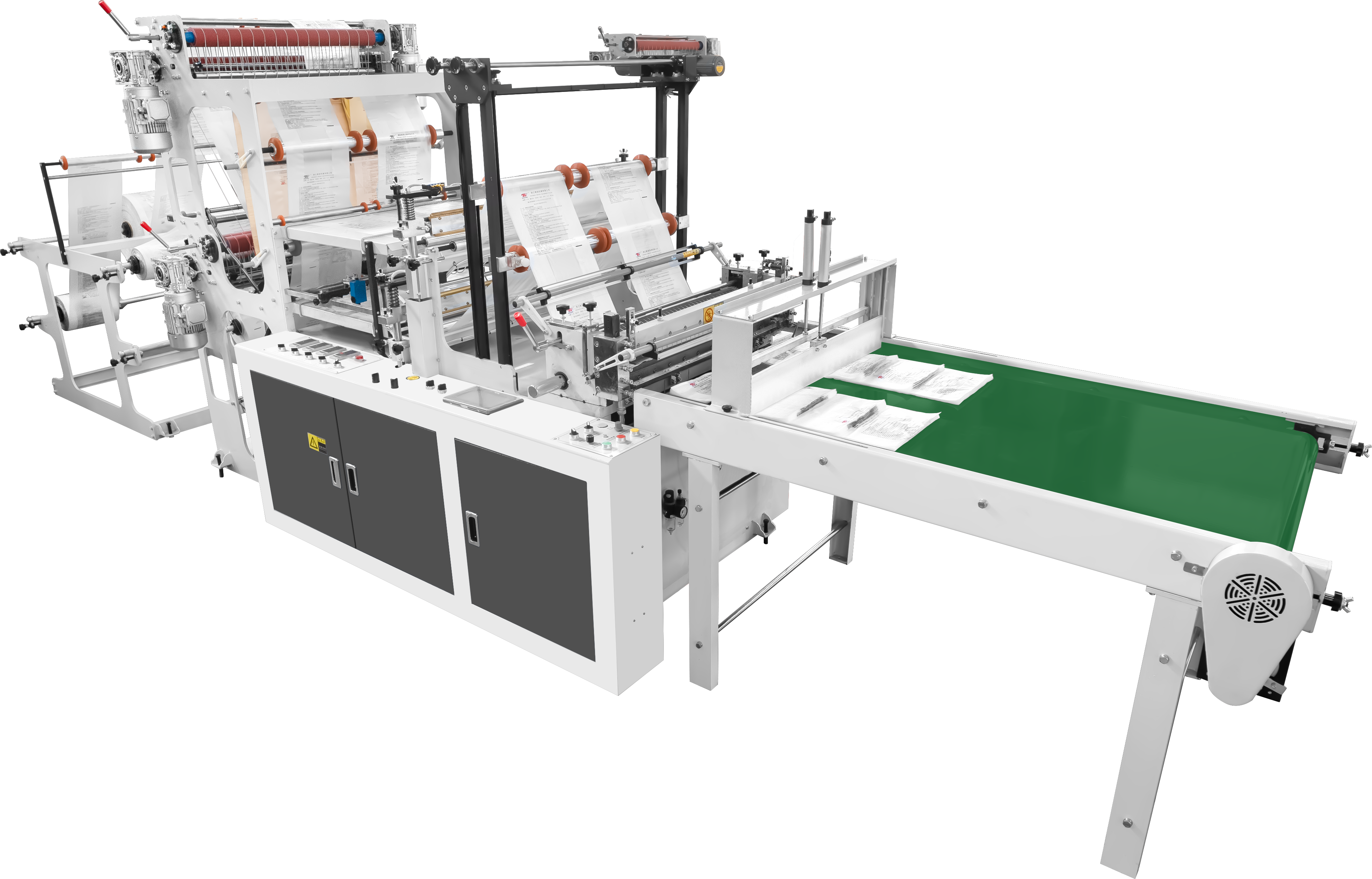
The latest plastic bag manufacturing equipment combines blown film extrusion, printing operations, and actual bag formation all within one continuous production line. This setup gets rid of those manual steps that often lead to contamination issues and misaligned prints. Starting with polymer granules going into the extruder, the system melts them down carefully and inflates with air to create that uniform tube-like film. As this still warm and flexible material travels along, it hits integrated printing areas where special rollers stamp on logos right before everything cools completely. Towards the end of the process, heat sealing and cutting mechanisms shape the final product inline, so every batch comes out looking exactly the same with logos placed consistently. Manufacturers report saving anywhere between 40 to 60 percent on production time compared to older methods, plus they maintain logo alignment within about half a millimeter across all products made.
Precision Features Critical for Logo Integrity: Tension Control, Registration Accuracy, and Web Stability
Getting sharp, consistent logos printed requires coordination among three key subsystems working together. The laser guided tension control keeps film stretch variations under ±0.5%, so images don't get distorted even when running at blazing speeds of 200 meters per minute. For alignment, closed loop optical registration systems constantly check those print patterns, scanning over 200 bags every minute and making tiny adjustments as needed to stay within 0.3 mm tolerance. Then there are those air flotation web stabilizers that basically float the film on a layer of compressed air between rollers, which stops any fluttering that would otherwise smear the ink all over the place. Put all this together and what do we get? Clear logos on incredibly thin 15 micron films most of the time too, with defects happening less than once out of every hundred prints when everything is set up properly.
Printing Methods Compatible with Plastic Bag Making Machines
Flexographic Printing: Best Fit for High-Volume Custom Logo Bags on Standard PE/PP Films
Flexo printing has become pretty much the go-to method for producing those custom logo bags in large quantities on PE and PP films. The main reasons? Speed, cost effectiveness, and how easily it fits right into existing bag production lines. Flexographic printers work with these flexible photopolymer plates and use either water based or eco solvent inks that dry quickly. What this means for brands is really clear, consistent logos printed at impressive speeds of around 1500 feet per minute. Setup costs are relatively low compared to other methods, and changing between different designs happens fast enough to keep up with orders ranging from tens of thousands to hundreds of thousands of units. Most modern flexo machines come equipped with precision tension controls and automatic registration systems as standard features. These help achieve alignment accuracy within about 0.1mm, so logos stay crisp and look exactly the same across every single bag produced without needing constant hands on adjustments.
Digital and Rotogravure Options: When Color Complexity, Short Runs, or Premium Finish Justify Added Cost
When looking at specialized printing needs, both digital and rotogravure methods bring their own strengths to the table, even though they need specific machinery setups. Rotogravure stands out for its incredible color accuracy, sharp details, and those fancy finishes like metallic sheens or glossy textures. This comes from those engraved cylinders it uses, which is why many high-end product packages rely on this method, especially when dealing with complex designs that call for more than just basic colors or smooth transitions between shades. The math works out better once production hits around half a million items per year. On the flip side, digital printing cuts out those expensive plates altogether and lets manufacturers play with variable information such as QR codes or numbered sequences. This makes small batches down to 500 pieces economically viable while still allowing last minute design tweaks, something really useful during holiday promotions or when testing new markets. Getting digital systems running properly does require special UV curing equipment though. Meanwhile, rotogravure shops must invest in precise cylinder alignment tools and maintain strict temperature controls throughout operation.
Material & Surface Preparation: Ensuring Ink Adhesion for Durable Logo Print Quality
Film Selection (LDPE, HDPE, PP, Metallocene) and Its Impact on Printability and Machine Compatibility
What kind of polymer we choose really makes a difference for how long logos last, how clear they print, and how well machines run. Low density polyethylene or LDPE is pretty flexible, but it needs special treatments on the surface and special inks that stick better. HDPE gives us stiffness, but because of its crystal structure, getting ink to adhere properly can be tricky. That means extra steps like corona treatment and careful temperature monitoring throughout production. Polypropylene or PP has good clarity and strength, but when running at high speed, it tends to warp unless we manage heat very precisely during printing. Metallocene catalyzed films are becoming popular because they hold ink better, have stronger melt properties, and work smoother through printing equipment. These films cut down on print problems by around 35-40% when running over 200 meters per minute compared to regular PE materials. Getting the right film choice matters a lot for keeping the web running smoothly, ensuring proper drying times, and maintaining those important logos over time.
Corona Treatment and Dyne Level Management for Reliable Ink Bonding on Non-Porous Substrates
Polyethylene (PE) and polypropylene (PP) materials naturally resist ink because they don't absorb anything and won't react chemically with most substances. That means special preparation is needed to get any printed material to stick properly. The standard method involves something called corona treatment, where an electrical charge creates oxidation on the film's surface. This process boosts the surface tension measurement, known as dyne level, from around 30 up to between 38 and 44 mN/m. Getting past 40 mN/m really matters though. If the number drops even slightly, say just five points down, there's suddenly a 70% higher chance of problems with flexographic printing sticking properly. Most modern plastic bag production lines now come equipped with sensors that constantly check these dyne levels while adjusting the corona treatment intensity automatically depending on factors like how thick the film is, how fast it moves through the machine, and what the humidity happens to be at any given moment. Worth noting too is how quickly these treated surfaces lose effectiveness. Take HDPE for instance – without proper treatment, it can lose about half its ability to hold ink within just eight hours. That's why many operations choose to treat the material right before printing takes place, ensuring logos stay put even after the bags go through sealing processes, get filled with products, or find their way into consumer hands.
FAQ
Q1: What is the main advantage of integrated plastic bag manufacturing systems?
A1: Integrated systems eliminate manual steps, reducing contamination issues and misalignment of prints, ultimately decreasing production time by 40-60%.
Q2: How is logo integrity maintained during high-speed production?
A2: Logo integrity is ensured by laser-guided tension control, closed-loop optical registration, and air flotation web stabilizers, which maintain precise tension and alignment.
Q3: What differentiates flexographic printing from other methods?
A3: Flexographic printing is ideal for high-volume production due to its speed, cost-effectiveness, and low setup costs, which makes it suitable for standard PE/PP films.
Q4: When should digital or rotogravure printing be considered?
A4: Digital and rotogravure options are preferable for complex color requirements, short runs, or premium finishes, despite requiring specific machinery setups.
Q5: Why is film selection crucial in the printing process?
A5: Different films like LDPE, HDPE, PP, and metallocene have unique properties that affect print clarity and machine compatibility, impacting the overall production quality.
Q6: What role does corona treatment play in printing on non-porous substrates?
A6: Corona treatment oxidizes the film surface, increasing surface tension (dyne level), essential for ink adhesion, significantly reducing printing defects.