
 EN
EN
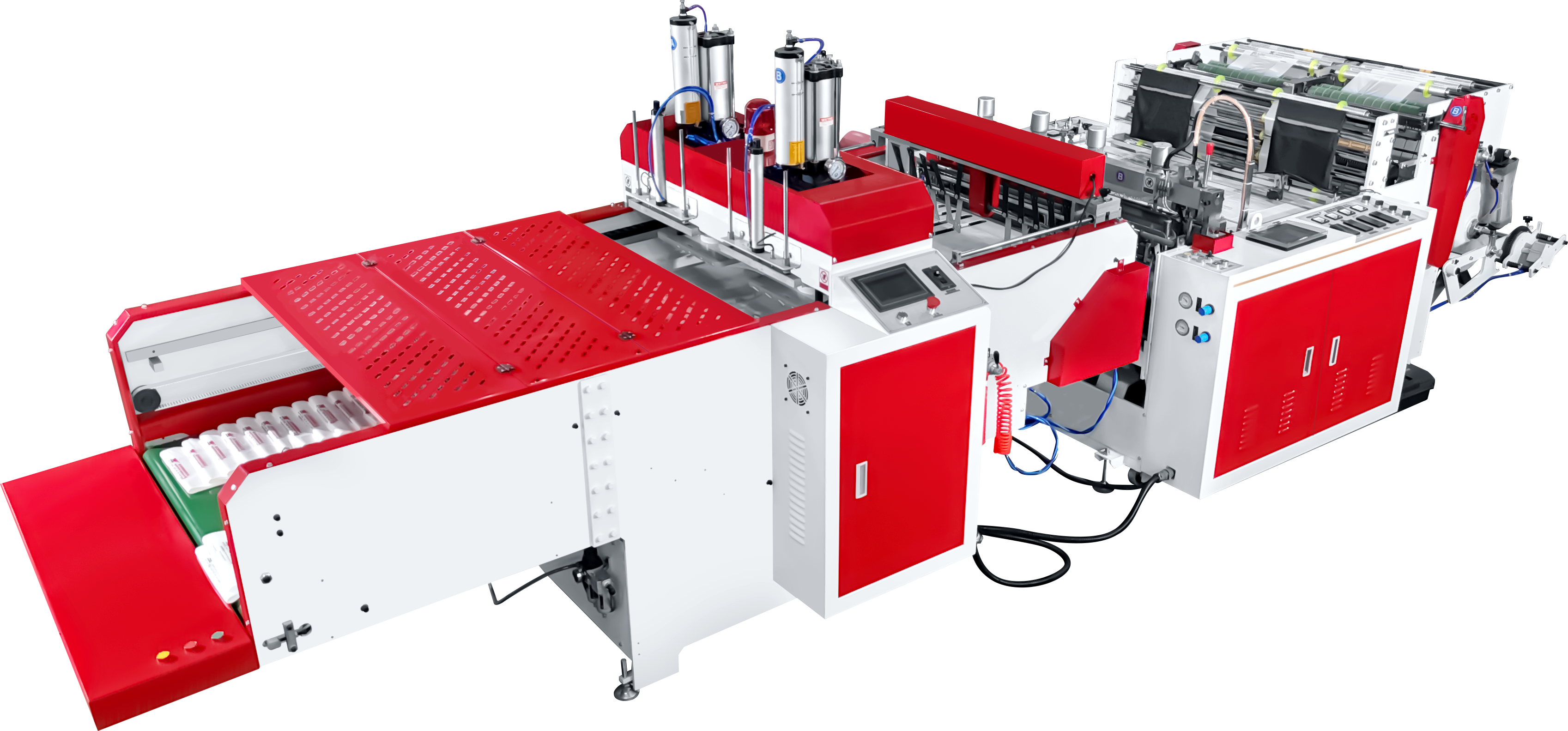
Core Sealing Technologies in Modern Plastic Bag Making Machines
Heat Sealing vs. Ultrasonic Sealing: Speed, Precision, and Material Compatibility
Heat sealing still dominates the market for polyethylene films, typically relying on those heated bars that melt layers together around 120 to 180 degrees Celsius. The process can work pretty fast too, sometimes taking just 0.2 seconds per seal, though there's always that risk of overheating when dealing with films thicker than 200 microns. On the flip side, ultrasonic sealing works differently altogether. It uses those high frequency vibrations between 20 and 40 kHz to create internal heat through friction. This makes it great for delicate materials like foil paper combinations where traditional methods might leave burn marks. Although heat sealing handles thicker materials better, ultrasonic machines actually run about 30 percent quicker, clocking in at around 180 bags per minute, and they eat up roughly 40 percent less power in the process. What really matters here though is what kind of material we're working with. Ultrasonic just doesn't cut it for anything over 200 microns thick, while heat sealing tends to struggle with shiny or metallic surfaces. And let's not forget the bottom line either. According to research from Ponemon Institute back in 2023, bad seals end up costing manufacturers nearly $740k every year. That's why getting the right match between sealing tech and material characteristics isn't just nice to have anymore, it's absolutely essential.
Advancements in Heating Elements and Real-Time Thermal Calibration
Today’s advanced machinery uses ceramic infused heating components that maintain temperature stability within about 0.1 degrees Celsius. These have replaced the old nichrome based systems which often had temperature swings of around 15 degrees. The new equipment also features infrared thermography technology that checks sealing areas as many as 200 times every second. This allows for adjustments to heat distribution in specific zones when there are changes in film thickness. With this kind of calibration, manufacturers can keep seal defects below 0.3 percent even when running production lines at speeds reaching 150 meters per minute. Pressure mapping happens in real time too, making sure compression remains consistent across all seal interfaces. This helps maintain tensile strength at least 15 Newtons per 15 millimeters according to ASTM F88 standards. Plus, cycle times get faster by about 23% thanks to those dual stage cooling tunnels. For companies operating medium sized facilities, cutting down on defects by just one percent means avoiding roughly 12 tons worth of plastic waste each year. So getting the temperatures right isn't just about product quality anymore it’s become essential for environmental responsibility as well.
Sealing Configurations: Side Seal, Bottom Seal, and Hybrid Systems
Functional Differences and Output Implications of Side Seal vs. Bottom Seal Designs
Vertical side seals run along the edges of bags and work great for making flat pouches and those T-shirt style bags fast on assembly lines. When handles need to be attached easily and the machinery isn't too complicated, these setups can boost production speed by around 15 to 20 percent for lighter weight products. For the bottom of bags, horizontal seals create that stable flat base so important for grocery sacks and ready-to-shelve packaging. The heavier duty versions actually hold about 30% more weight. Looking at waste reduction, there's a noticeable difference between the two approaches. Bottom seal methods cut down on scrap material by roughly 5 to 7% when making rectangular bags because they use the web material more efficiently. Meanwhile, side seal arrangements tend to leave less trim waste behind, especially helpful when dealing with gusseted bags or other oddly shaped designs.
Hybrid Sealing Architecture: Enabling Multi-Format Production on a Single Plastic Bag Making Machine
The latest hybrid systems bring together side and bottom sealing functions all in one unit, which means no more waiting around for tool changes when switching formats. What used to take anywhere from 45 to almost 90 minutes can now be done in less than 15, giving machines roughly 15% more productive time each year for companies running at moderate volumes. These machines combine side seals for practical elements like tear strips or reinforced handles along with bottom seals that hold everything together structurally. They can churn out courier bags, those wicket style packages, and even zipper pouches one after another while still keeping quality consistent throughout. The secret? Thermally adjusted sensors work across different materials including HDPE, LDPE plastics, and even eco-friendly bioplastics too. According to the 2023 Packaging Efficiency Report, this setup actually cuts down on seal problems by about 22%. For businesses operating across multiple sectors from retail stores to delivery services and restaurants, having this kind of adaptability isn't just nice to have anymore it’s becoming essential.
Modular Sealing Zones and Bag-Type Versatility
Optimizing Sealing Modules for T-Shirt, Courier, Zipper, and Wicket Bags
The modular sealing zones completely change how plastic bag machines work, turning them from fixed function devices into adaptable production centers that can switch between different bag types quickly and consistently. Different bag styles need their own specific sealing approaches and additional features. For example, T-shirt bags need strong bottom seals along with built-in punch holes for handles. Courier bags call for accurate side sealing combined with hot melt glue application and tear strips. Zipper bags need special inline extrusion components to create those continuous closure tracks. And then there are wicket bags which require gusseted bottoms plus very precise hole punching for the wickets. Most manufacturers stick to standard setups when building these machines because they simply make sense given all these different needs across the market.
| Bag Type | Sealing Structure | Primary Machine | Required Modules |
|---|---|---|---|
| T-shirt bags | Bottom Seal | T-shirt Bag Machine | Punching, multi-line sealing |
| Courier bags | Side Seal | Side Seal Machine | Hot-melt glue, tear strip |
| Zipper bags | Side Seal | Zipper Bag Machine | Inline zipper extrusion |
| Wicket bags | Bottom Seal | VFFS (Vertical Form Fill Seal) | Gusseting, wicket hole punching |
Thermally calibrated modules maintain ±1.5°C tolerance across all configurations, cutting material waste by 18% and supporting full production changeovers in under 15 minutes via cartridge-style sealing element swaps. This modularity eliminates the need for dedicated machines per bag variant—while sustaining 99.2% seal integrity across polyethylene, laminates, and recyclable composite films.
FAQ
Q: What is the difference between heat sealing and ultrasonic sealing?
A: Heat sealing uses heated bars to melt layers together, ideal for thicker materials, while ultrasonic sealing employs high frequency vibrations for delicate materials, offering quicker operation and lower power consumption but struggles with materials over 200 microns thick.
Q: How do modern heating elements improve sealing?
A: Modern machines use ceramic infused heating components for precise temperature control and infrared thermography for real-time adjustments, reducing seal defects and improving environmental responsibility by minimizing plastic waste.
Q: What are the benefits of hybrid sealing systems?
A: Hybrid systems combine side and bottom seals in one unit, reducing changeover time and enhancing adaptability across multiple bag formats including HDPE, LDPE, and bioplastics, with decreased seal problems.
Q: How do modular sealing zones work for different bag types?
A: Modular sealing zones allow quick switching between T-shirt, courier, zipper, and wicket bags by employing specific sealing approaches and features, such as punching for T-shirt bags and zipper extrusion for zipper bags, ensuring high seal integrity and reduced waste.