
Introduction
Behind food takeout counters, retail checkout desks, bakeries and pharmacies lies a packaging solution that has served industries quietly for over a century — the SOS sack. Though it looks like an ordinary paper bag, it embodies time-tested design merits: flat bottom, self-opening structure, stable standing and high efficiency. Since Charles Stilwell patented the first square-bottom paper bag machine in 1883, the fundamental structure of SOS sacks (Self-Opening Sacks) has barely changed, which stands as the best proof of its well-reasoned design. This article systematically covers the history, structural design, size specifications, and versatile applications of SOS sacks, analyzes their core strengths and eco-friendly value for the food industry, and offers practical purchasing tips. As a professional manufacturer of SOS sack production machinery, Wenzhou Chenqi Machinery also shares our profound industry experience and technical expertise in this field.
Historical Origin: An Invention That Revolutionized Retail
The history of SOS sacks dates back to 1883. Charles Stilwell, an American mechanical engineer, invented a machine capable of mass-producing square-bottom paper bags with side gussets. Before this invention, paper bags were either flat envelope-style or unable to stand on their own, making product filling extremely inconvenient. Stilwell’s breakthrough design featured accordion gussets on both sides and a rectangular flat bottom. The bag lies flat for storage; a simple shake lets it unfold automatically and stand upright. This design was named Self-Opening Sack, abbreviated as S.O.S., a name still widely used today. In 1918, two grocers from St. Paul, Minnesota, Lydia and Walter Deubener, further upgraded the design by adding rope handles, enabling the sacks to bear loads up to 75 pounds. For more than a century afterward, the core structure of SOS sacks remained largely unchanged — not due to stagnant innovation, but because the original design was already remarkably functional. Driven by the booming urban retail, supermarket, and fast-food sectors throughout the 20th century, SOS sacks gained massive popularity. Entering the 21st century, amid rising global awareness of plastic pollution, this century-old packaging design has regained mainstream popularity as an eco-friendly alternative. II. Definition & Structure: Where Does the Name "SOS" Come From?
Short for Self-Opening Sack, the SOS sack is also called a self-opening bag or square-bottom paper bag. It is pre-folded with accordion gussets on two sides. Its key feature: it lies completely flat for stacked storage when unused; users only need to pick it up with one hand and shake lightly, and the bottom will automatically expand into a rectangular box-shaped space that stands steadily. Three key dimensions define its structure:
- Width: Horizontal length of the bag opening
- Gusset width: Determines the bag’s depth after full expansion
- Height: Vertical length of the bag body
SOS sacks are normally made of kraft paper (natural brown or bleached white), and can be customized with food-grade liners, oil-resistant coatings, or custom printing as required. Thanks to its flat square bottom and dual side gussets, the bag can stand upright on countertops. Staff can pack goods with one hand, greatly cutting packaging time.
Size Range: From Mini Snacks to Family-Sized Takeout
Orders SOS sacks come in a wide array of sizes, ranging from tiny pouches for a few candies to large bags holding complete family takeout sets. While specifications vary slightly across manufacturers, they fall into four main categories as below:
|
Category |
Typical Dimensions (Width × Gusset × Height) |
Application Scenarios |
|
Small |
120×70×220mm to 150×80×260mm |
Snacks, small baked goods, pharmaceuticals |
|
Medium |
180×100×280mm to 200×110×320mm |
Burger boxes, sandwiches, light takeout meals |
|
Large |
240×120×360mm to 260×140×420mm |
Multiple meals, family takeout orders |
|
Extra Large / Heavy-Duty |
Width ≥280mm, Height ≥450mm |
Bulk takeout, assorted groceries, loose goods |
Beyond standard sizes, many brands customize exclusive dimensions to achieve a snug fit with their products and prevent shifting or spilling during transit. Paper grammage (GSM) is equally vital: regular kraft paper works for light food, while thicker paper stock is required for heavy takeout and bulk goods to sustain heavy loads.
IV. Application Scenarios: The Multi-Purpose SOS Sack
The versatility of SOS sacks far exceeds most people’s expectations. The same self-opening flat-bottom structure can be adapted to vastly different industries by adjusting paper grade, dimensions, and printing styles.
Food Service – Core Application
Field SOS sacks are standard supplies for daily operations in fast-food restaurants, cafes, bakeries and dedicated takeout shops. During lunch rushes, staff grab a sack, shake it open and place meal boxes inside — the whole process takes only a few seconds. The flat bottom holds burger boxes, rice bowls and fry containers neatly without tipping over. The paper surface absorbs minor condensation from hot food to retain original flavor. For delivery, the upright shape keeps meals intact on bumpy rides and avoids messy spills upon opening.
Retail & Boutique Stores
Fashion boutiques, lifestyle concept stores, and supermarket checkout counters extensively use SOS sacks. Candles, skincare products, small apparel pieces, and accessories stand stably on the flat base, reducing collision and damage during transportation. Blank paper surfaces serve as mobile brand billboards; customers walking out with logo-printed sacks become walking advertisements for brands.
Pharmacies & Medical Facilities
SOS sacks play an understated yet vital role at pharmacy counters. Prescription bottles, blister packs, and instruction sheets stand upright inside the bag with labels clearly visible. Many pharmacies print dosage reminders and safety warnings directly on sacks, turning packaging into a direct communication medium between pharmacists and patients.
Farm Produce & Bulk Goods
Farm shops and garden centers adopt larger, heavier SOS sacks to hold seeds, feed, soil conditioners, and more. The wide flat base stabilizes heavy contents, and the upright shape allows controlled pouring of products.
Five Core Advantages for the Food Industry
1. Extreme Efficiency to Match Fast-Paced Takeout Operations. Speed is the core of takeout and fast-food service. The one-shake opening design saves staff from propping open bags with both hands or adjusting openings during peak hours, enabling single-handed filling. These small second-level efficiency gains accumulate into significant labor cost savings over long-term daily operations.
2. Suitable for Both Hot and Cold Mixed Orders. A single takeout order often includes hot main courses and cold desserts. The paper walls of SOS sacks allow partial steam ventilation to reduce condensation around hot food containers, while offering better heat insulation than thin plastic bags to separate hot and cold items. Restaurants can simplify inventory management by using one universal packaging bag for all menu combinations.
3. Food-Safe & Reliable Raw Materials Made of food-grade kraft paper, SOS sacks can directly contact baked goods, sandwiches, and snacks. Equipped with oil-proof or moisture-resistant coatings, they hold high-fat foods such as burgers and fries without collapsing. Food safety reminders, allergen information, and disposal instructions can be printed directly on the paper to serve as a communication carrier.
4. Controllable Costs with Long-Term Economic Benefits: Mass-produced by high-speed paper bag machines with standardized food-grade paper, SOS sacks feature stable and predictable unit prices. Flat stacked storage saves valuable space behind kitchen counters. More importantly, properly sized, sturdy bags drastically reduce transit damage and leakage; every avoided spoiled order translates to direct cost savings.
5. Eco-Friendly Brand Image Aligned with Consumer Trends As consumers pay growing attention to packaging sustainability, fiber-based SOS sacks deliver a clearer environmental value proposition than plastic made from fossil fuels. Recyclability, biodegradability, and renewable raw material sources have become standard rather than optional selling points for food service brands.
Environmental Benefits: A Full-Cycle Green Solution
Renewable Raw Materials
SOS sacks are made from wood pulp sourced from responsibly managed forests or recycled fiber. Unlike plastic derived from non-renewable petroleum, this packaging boasts a low-carbon footprint from its raw material stage.
Recyclable & Biodegradable
Clean SOS sacks can enter existing paper recycling streams. Even sacks lightly stained with food residues that cannot be recycled degrade far faster than plastic in landfills. In some regions, slightly contaminated paper sacks can undergo industrial composting together with food waste.
Reduced Plastic Dependence
Every switch from plastic bags to SOS sacks cuts single-use plastic consumption. Amid global restrictions, surcharges and bans on plastic shopping bags, fiber-based packaging helps enterprises avoid policy risks and public criticism in advance.
Quantifiable Sustainability Commitments
Enterprises can back environmental pledges with concrete data, such as the proportion of FSC-certified paper, recycled fiber content and annual plastic reduction volumes. These tangible figures improve credibility for regulatory reports and ESG disclosure, instead of vague verbal promises.
Purchasing Guide: How to Select Ideal SOS Sacks
Prioritize Size Matching with Products
This is the most fundamental and critical decision. Measure the outer dimensions of your mainstream products (meal boxes, containers, merchandise), decide whether items will be stacked or placed side by side, then match the corresponding bag width, gusset, and height. Undersized bags risk tearing, while oversized ones cause contents to slide and spill.
Choose Paper Grammage Based on Required Strength
Different GSM values deliver varying tensile strength, tear resistance and rigidity. Standard kraft paper fits light food, while thicker paper is required for heavy takeout, multi-bottle drinks and bulk goods. Bottom deformation or side tearing under load indicates insufficient paper grammage.
Prioritize Food Safety Compliance
SOS sacks for direct food contact must meet food safety standards. Verify food contact certifications, including FDA 21 CFR 177 or EU Regulation 1935/2004. Select oil-coated paper for greasy food, and confirm no harmful substances will be released under high temperatures for hot food applications.
Printing & Branding: Visual Value Creation
Blank paper surfaces act as natural brand canvases. Single-color logos suit minimalist styles, while multi-color printing delivers richer brand visuals. Always request pre-production samples to inspect pattern sharpness, color reproduction, and ink resistance to touch and minor oil stains.
Comprehensive Supplier Evaluation Beyond Price
Supplier reliability directly affects daily operations. Key evaluation criteria: - Whether the Minimum Order Quantity (MOQ) matches your consumption volume - Stable lead times and flexible production capacity during peak seasons - Consistent batch quality: uniform dimensional tolerances, paper strength and print alignment - Export capabilities: expertise in handling international logistics and documents for multinational brands
Wenzhou Chenqi Machinery: Specialized Manufacturer of SOS Sack Production Equipment
Every premium SOS sack is produced by precise, reliable bag-making machinery.
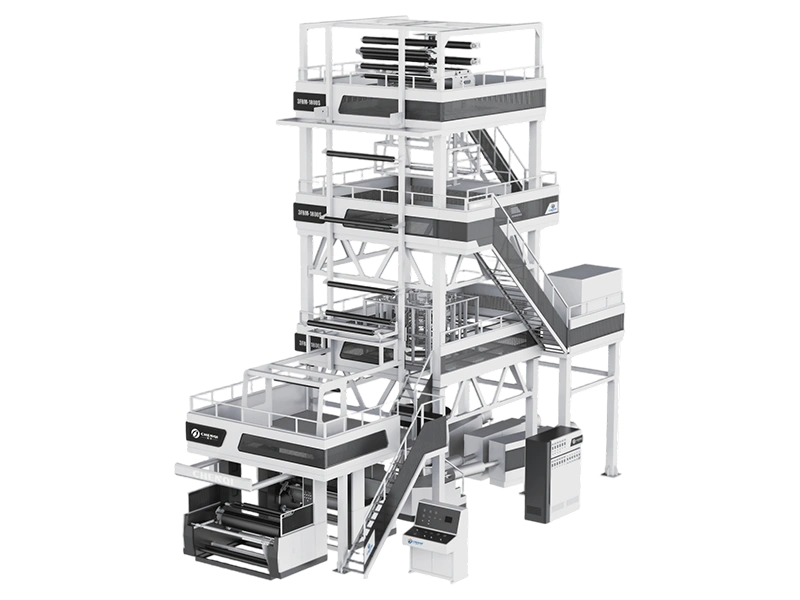
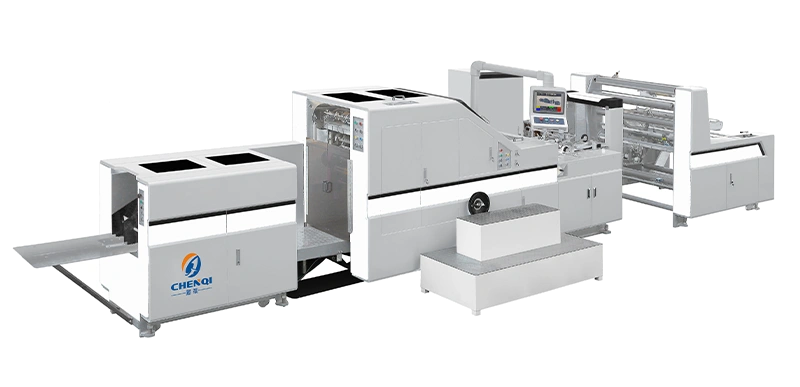
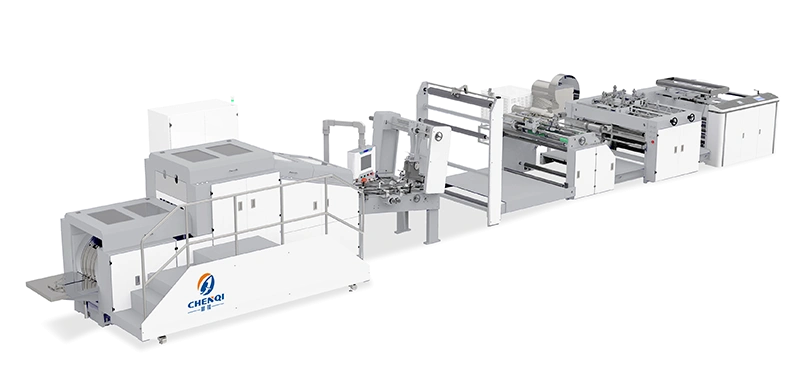
Rooted in Wenzhou, China’s hub for packaging machinery, Wenzhou Chenqi Machinery has long focused on the R&D and manufacturing of SOS sack production lines. We have developed multiple product series including CQ, CQ-HD and CQ-TD, covering precise paper folding, gusset forming, automatic bottom gluing and neat finished bag output. Our paper bag machines are renowned for high stability, fast production speed and low energy consumption.
During SOS sack production, machine precision directly determines bag quality: flat bottom finish, symmetrical gussets, firm adhesive joints and consistent dimensions. Chenqi Machinery fully understands that minor manufacturing deviations will trigger major troubles for end users: uneven bottoms prevent upright standing, weak gluing causes bottom bursting under weight, and inconsistent sizes fail to match customers’ packaging lines.
Therefore, our R&D team always adheres to the philosophy of "defining machine parameters based on end-user application scenarios". Our engineers conduct on-site research in food service, retail and food processing facilities to capture real practical demands for SOS sacks, then convert these insights into equipment design upgrades. Every process — paper feeding, edge folding, gluing, forming and finished bag collection — undergoes repeated optimization to ensure all finished SOS sacks withstand both counter handling and long-distance delivery.
We provide full one-stop solutions covering equipment selection, process commissioning and after-sales support, whether for mass production of standard sizes or customized special specifications. We firmly believe high-quality packaging originates from superior machinery, and superior machinery originates from an in-depth understanding of industry demands.
Conclusion
More than 140 years have passed since Charles Stilwell’s patent drawing. Despite billions of sacks being used worldwide every day, the core design of SOS sacks remains almost unchanged. This is not a sign of stagnant innovation, but proof that the original design was flawless enough to pass over a century of real-world testing.
Today, SOS sacks regain popularity as eco-friendly packaging solutions. Far more than a simple paper bag, they represent an integrated packaging solution balancing efficiency, safety, brand promotion and sustainability. For food service brands, retailers and food manufacturers, choosing the right SOS sack means casting a vote of confidence for daily operational efficiency, customer experience and environmental commitments.
Wenzhou Chenqi Machinery is dedicated to supplying professional paper bag making equipment to help you produce top-tier SOS sacks.