
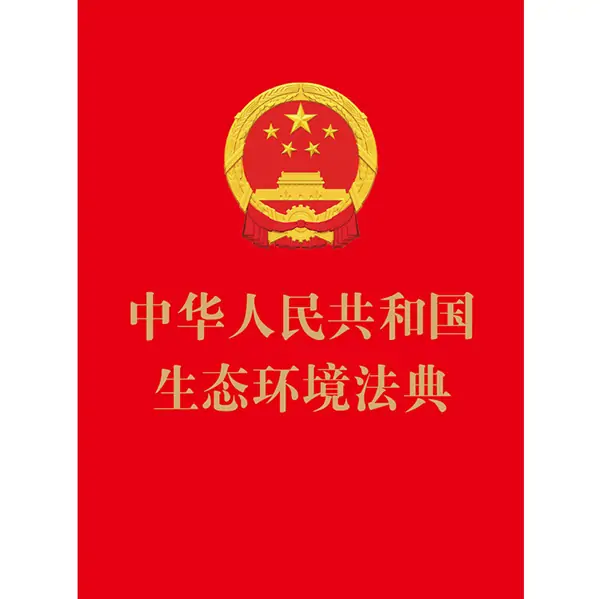
On August 15, 2026, the Eco-Environment Code of the People’s Republic of China officially came into force. As China’s first comprehensive environmental law named a “Code,” it brings plastic pollution control under whole-chain supervision. Article 998 of the Code explicitly bans single-use products such as non-degradable plastic bags. Article 1225 specifies penalties including confiscation of products and illegal gains. The regulations cover plastic-intensive industries ranging from supermarkets and catering services to express-delivery logistics. Green alternatives have shifted from an optional choice to a mandatory requirement. Both producers and sellers are under mounting pressure, while upstream packaging manufacturers are also facing compliance reviews.
Global Plastic Bans and Restrictions: An Irreversible Trend
Across the globe, the trend of plastic bans and restrictions is irreversible. The EU Single-Use Plastics (SUP) Directive has prohibited single-use tableware, straws and other items. The new PPWR rules will be phased in starting in 2026, requiring all packaging to follow recyclable design standards, with certain products needing compostable certification from 2028 onwards. Gulf Cooperation Council countries in the Middle East have set 2026-2027 as their transition window, aiming to cut single-use plastic consumption by 80%. Multiple Southeast Asian nations have successively rolled out environmental taxes and plastic-restriction legislation. While overseas policies contain detailed provisions, the core message is clear: compliant materials (fully biodegradable plastics or paper materials) have become market access thresholds for domestic and international markets. Enterprises that complete equipment upgrading first will gain a head start in order bidding.
Three Major Crises Driving Global Plastic Control Measures
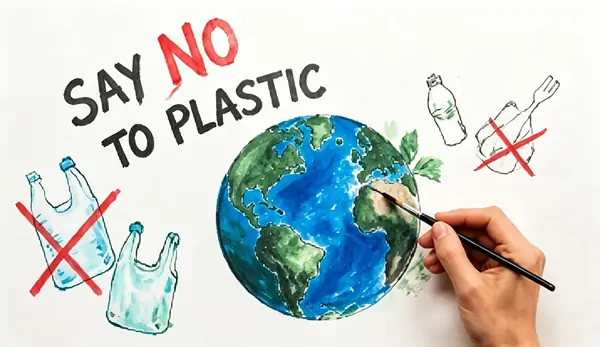
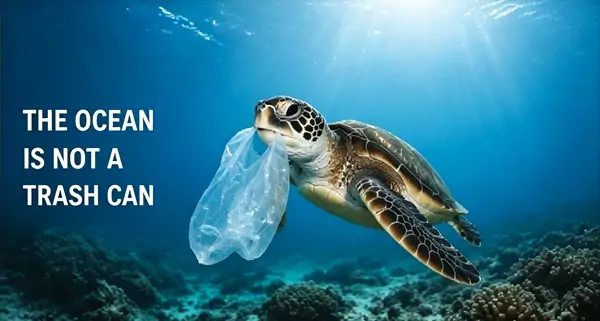
Governments worldwide are introducing strict plastic control measures driven by three major crises. Microplastics have penetrated soil, water sources and even human bloodstreams, with unknown long-term health risks. Around 8 million tons of plastic waste flow into oceans each year, severely threatening marine ecosystems and fisheries. Petroleum-based plastics generate high carbon emissions throughout their life cycle, running counter to global carbon neutrality goals. Fundamentally, these laws mark the end of the traditional linear economic model and strongly boost the development of circular economies and biodegradable materials. For packaging manufacturers, this represents not merely compliance pressure, but a strategic window to reshape the market landscape.
How to Transition from Conventional Plastic to Compliant Solutions
How can enterprises achieve a smooth transition from conventional plastic production lines to compliant solutions? We recommend a dual-track, phased-replacement strategy. In the short term, keep your existing production equipment while introducing biodegradable material film-blowing machines. Produce compliant biodegradable bags with PBAT/PLA blends that meet domestic and EU compostable standards, so as to guarantee uninterrupted supply for existing clients. In the medium term, add paper bag making machines for supermarket and takeaway scenarios to manufacture square-bottom paper bags and food-grade kraft paper bags, serving high-end customers with plastic-free demands and building a dual-product portfolio of biodegradable bags plus paper bags. In the long term, flexibly adjust production capacity ratios according to market feedback to minimize transition risks.
Biodegradable Bags vs. Paper Bags: Choosing the Right Materials
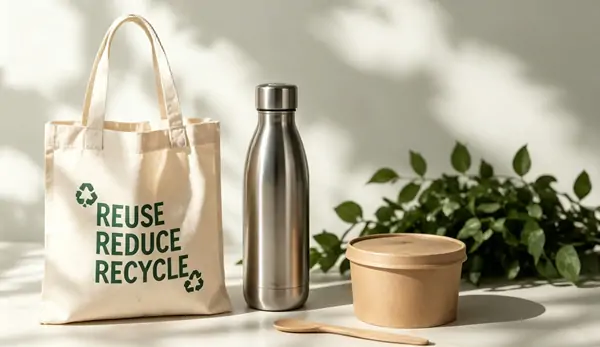
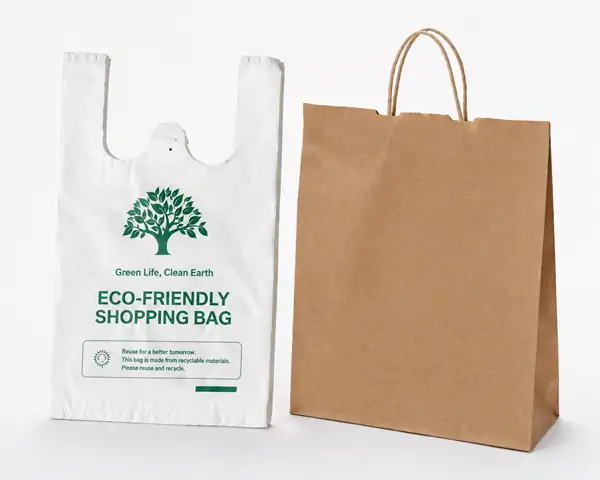
When selecting raw materials, fully biodegradable plastic bags and paper bags fit different application scenarios. Biodegradable bags (PBAT/PLA blends) comply with international standards EN 13432 and ASTM D6400, and can be fully decomposed into water and carbon dioxide under industrial composting conditions, making them ideal for the current transition phase. Yet they demand high heat-sealing strength, come with relatively expensive raw material costs, and industrial composting infrastructure remains incomplete in some regions. Paper bags enjoy wide global recognition with no ban-related risks. They are recyclable for pulp reproduction, degrade faster in natural environments, and are perceived by consumers as more eco-friendly and premium-looking, which helps boost brand image. Therefore, our suggestion is: Secure your market share with biodegradable bags, and win the future with paper bags. A combined product line enables you to serve all customer groups, from mass-market retailers to high-end catering businesses.
Biodegradable Film Blowing Machine: Built for PBAT/PLA
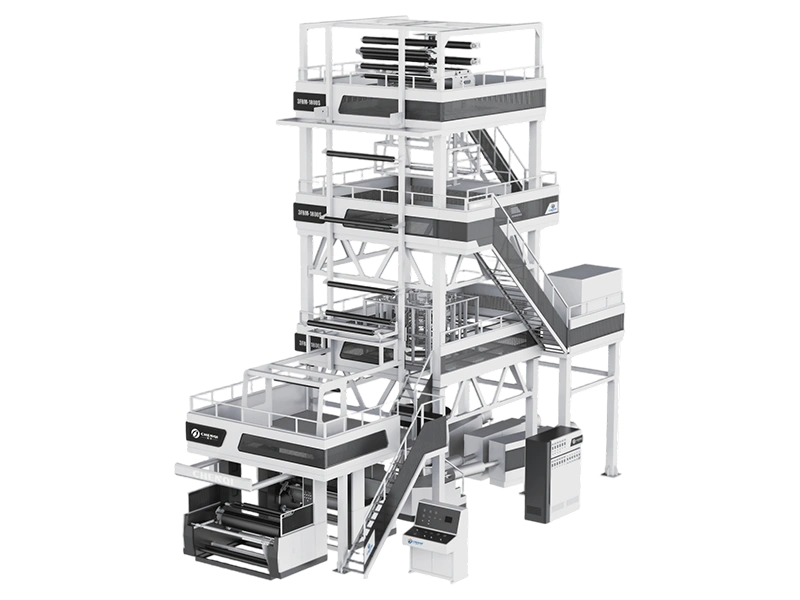
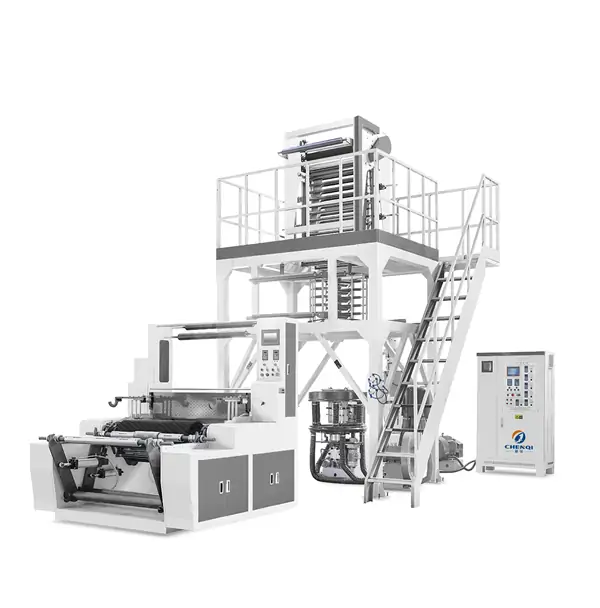
The Chenqi biodegradable film-blowing machine is custom-built for fully biodegradable raw materials. Targeting common processing pain points of PBAT and PLA, such as low melt strength and narrow processing windows, we adopt a precision temperature control system and high-efficiency screw design. This effectively solves frequent defects such as unstable bubble formation, uneven film thickness and insufficient tensile strength, delivering uniform plasticization and stable film quality. Our machines are widely applicable for shopping bags, garbage bags, food packaging films and other products, and can process internationally certified raw materials, helping customers manufacture biodegradable film products that satisfy global market requirements.
Chenqi Paper Bag Making Machine: High-Speed Plastic-to-Paper Solutions
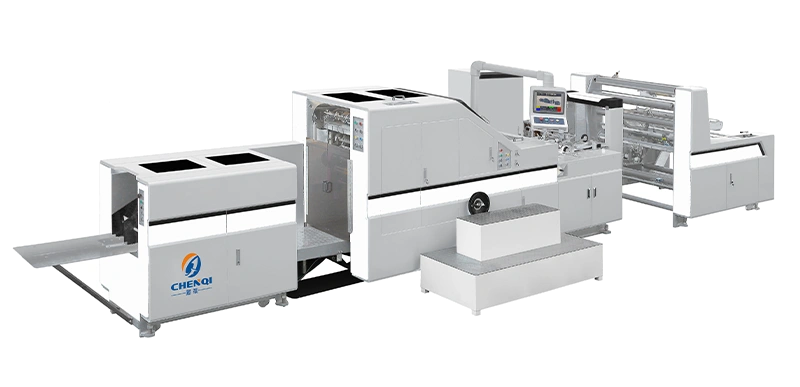
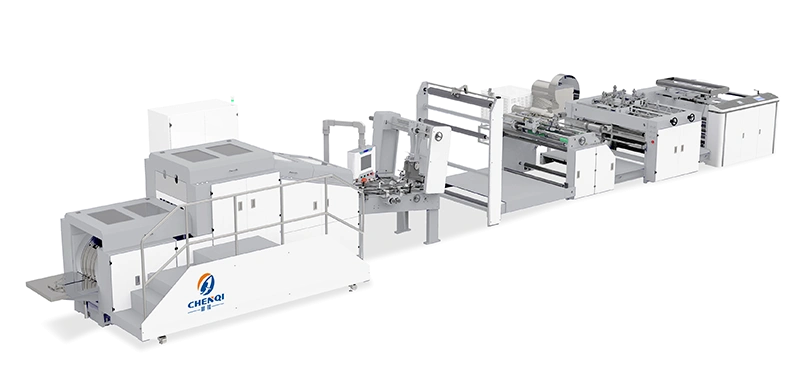
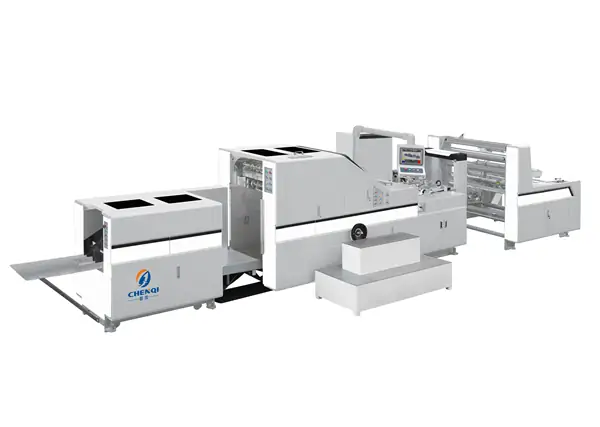
Chenqi paper bag making machines deliver high-speed, high-precision production solutions for the global plastic-to-paper replacement trend. The equipment supports multiple bag styles including square-bottom bags, pointed-bottom bags, food-grade paper bags and handle bags, and processes raw materials such as coated paper, kraft paper and recycled paper. It features high productivity, precise bag forming and a design that is easy to operate and maintain. Whether you produce retail shopping bags to replace traditional plastic bags or food take-out packaging for the catering sector, our machines allow enterprises to quickly launch plastic-free product lines, easily comply with EU PPWR regulations and global plastic-restriction policies, while meeting consumers’ aesthetic and practical expectations for eco-friendly packaging.
Wenzhou Chenqi: Your Partner for Sustainable Packaging Transformation
As an integrated manufacturer and trader, Wenzhou Chenqi Import & Export Co., Ltd. owns its self-operated factory. Full-process quality control covers R&D design, component machining, machine assembly and final factory inspection. With years-long experience serving overseas markets, we are well-versed in international certification requirements, global voltage standards and after-sales service protocols. Our machinery has been exported to the Middle East, Africa, Southeast Asia, South America, North America, Australia and other regions, earning widespread trust from clients worldwide. More importantly, we supply not only machinery, but also full life-cycle services including material selection consultation, process commissioning, operator training and remote technical support, eliminating worries during your green transition journey.
The global plastic-ban wave is irreversible. Compliance is not an extra cost, but your ticket to future markets. Whether you intend to enter the biodegradable plastic industry or build new paper bag production lines, Chenqi will serve as your reliable sustainable development partner with performance-proven equipment and rich practical experience. Feel free to contact us for your customized upgrade solution, and let’s create a brand-new future for green packaging together.