
 EN
EN
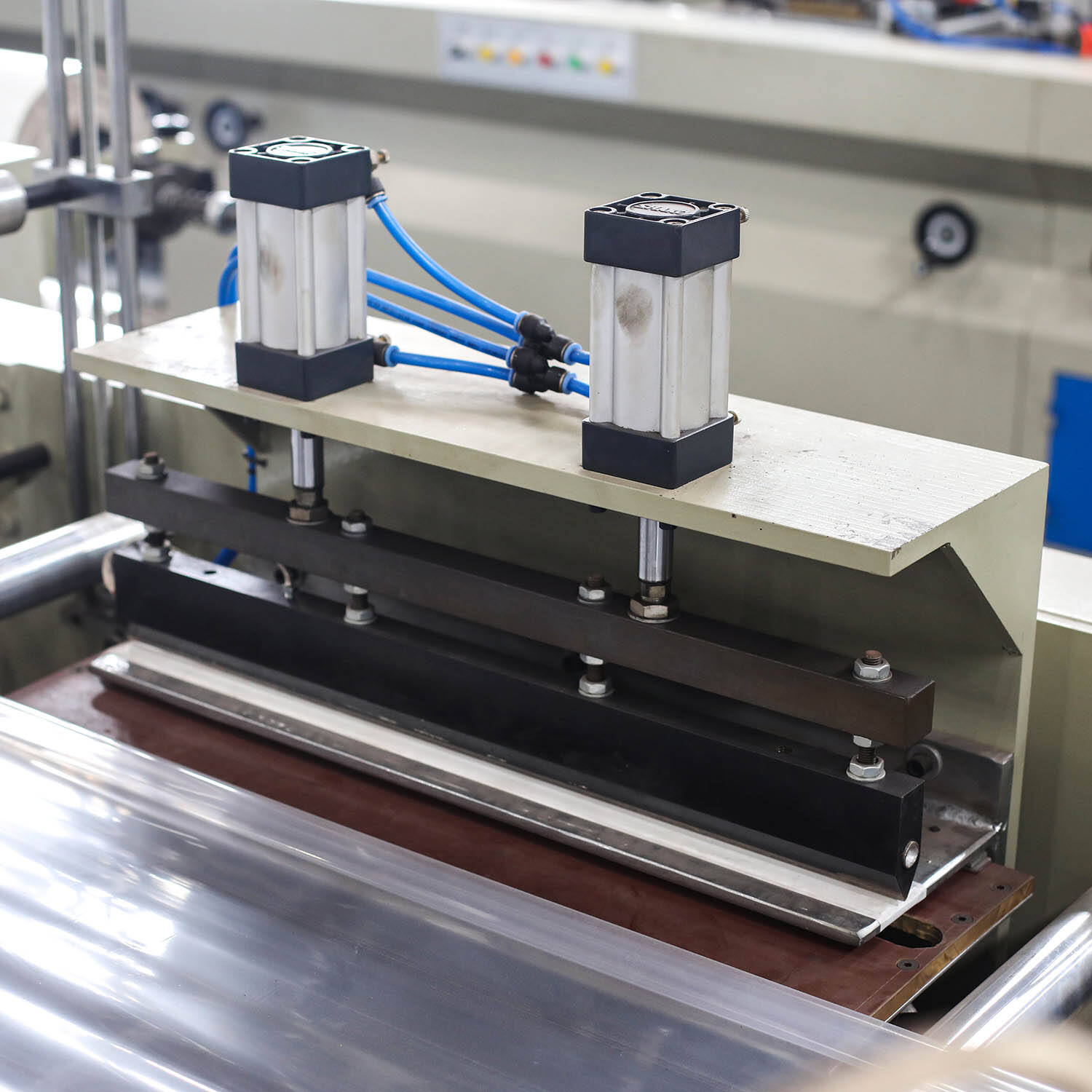
Core Components of a Plastic Bag Making Machine for High-Volume Output
Extrusion System: Melting Polyethylene Resin into Consistent Film
At the heart of mass producing garbage bags lies the extrusion system, which transforms those little polyethylene pellets into smooth plastic film. The machinery heats up these materials between around 180 to maybe 230 degrees Celsius using carefully placed heating sections. Meanwhile, two interlocking screws work together to keep the melted plastic flowing consistently throughout the process. What makes this setup so effective is how it stops the plastic from breaking down during processing while still giving us that even quality needed for strong bags. Today's advanced equipment keeps thickness differences really tight, often under plus or minus 2 percent, which means factories can run nonstop for well over twenty hours straight without needing constant adjustments.
Die and Bubble Formation: Ensuring Uniform Film Thickness and Stability
Once the plastic has been extruded, it goes through a round die which shapes it into a long tube-like bubble. The size of this bubble depends on internal air pressure, and special infrared sensors check how thick it is across more than 200 different spots every single second. All these measurements get sent to servos that adjust the die lips in real time, keeping the wall thickness pretty much the same throughout, usually within about 5 microns difference. Getting this stability right matters a lot in production. Even small variations can lead to weak areas in the material, which then cause problems when things move fast through later stages of manufacturing. We've seen batches rejected because of these tiny inconsistencies during quality checks.
Cooling, Collapsing, and Flattening: Preserving Film Integrity for Downstream Processing
As the tubular film moves into the dual stage cooling chamber, cold air around 10 to 15 degrees Celsius quickly sets the material's structure. This helps control those pesky crystallinity variations that can really mess with how strong the final product ends up being. Next comes the collapsing frames which carefully fold the tube along V shaped guides, all designed to keep surfaces from getting scratched during processing. Then there are these precision nip rollers doing their thing, applying just the right amount of pressure across the whole width so no air bubbles get trapped anywhere. Without them, we'd end up with wrinkles that make conversion at high speeds practically impossible. Putting all these steps together cuts down on wasted materials by roughly 12 percent when compared against older manufacturing techniques, which makes a big difference over time both economically and environmentally speaking.
From Film to Finished Bags: Sealing, Cutting, and Perforating Mechanisms
Heat Sealing and Rotary Dies: Precision in Bottom and Side Seal Formation
The process of turning film into separate bags depends heavily on two main techniques working together: heat sealing and rotary die cutting. When making those strong bottom seals, manufacturers use heated sealing bars that bring polyethylene layers together at around 130 to 160 degrees Celsius. At the same time, rotary dies cut away any extra material all in one go. What makes this system so effective is how it keeps those seal widths consistent, staying within plus or minus half a millimeter even during long production runs. The equipment actually has different temperature settings throughout, which helps accommodate films of various thicknesses. This prevents problems like weak seals or materials melting through completely. When we look specifically at side-sealed garbage bags, the machinery applies steady pressure along the entire length as it moves through at impressive speeds reaching up to 30 meters per minute. These specifications are pretty standard across most modern manufacturing facilities.
| Process Parameter | Function | Impact on Quality |
|---|---|---|
| Sealing Temperature | Melts polymer layers | Prevents weak seals (<15N/15mm) or burn-through |
| Dwell Time | Duration of heat application | Ensures complete fusion without distortion |
| Die Pressure | Compresses heated layers | Creates uniform seal thickness |
High-Speed Output: Achieving 200–400 Bags per Minute with Automated Control
Modern bag making machines can crank out anywhere from 200 to 400 bags every single minute thanks to advanced servo driven systems and closed loop controls. The heart of this operation lies in programmable logic controllers or PLCs that handle everything from feeding the film material to sealing and cutting it all with incredible speed and accuracy down to milliseconds. This coordination basically removes any potential slowdowns in the process. When it comes to maintaining quality, real time tension management keeps the film intact even as speeds increase dramatically. At the same time, automatic registration systems compensate for any stretching issues that might occur. For those really fast direction changes needed during perforation steps, high torque servos make sure there's minimal wear and tear on mechanical components. Industry leaders report these sophisticated setups maintain around 95 percent efficiency most of the time, with defects staying below 0.3 percent throughout long runs of garbage bag production.
Material Selection: HDPE vs. LDPE in Garbage Bag Extrusion and Performance
Melt Index and Density Impact on Film Strength, Flexibility, and Processability
The type of resin selected has a major impact on how well products perform and how efficiently they can be manufactured. Take HDPE for instance, which has a pretty high density range of around 0.941 to 0.965 grams per cubic centimeter. This gives it great tensile strength and resistance to punctures, which is why it works so well in those heavy duty trash bags we all know. But there's a catch - because HDPE has a lower melt index, manufacturers need to run their extruders at slower speeds. On the flip side, LDPE comes in lighter with densities between 0.910 and 0.925 g/cm³. What this means practically is better flexibility and tear resistance, plus faster processing times thanks to its higher melt index. That speed factor matters a lot when companies are looking to crank out volume. Finding the right balance between these materials isn't just about numbers though. Higher melt indexes definitely boost production throughput, but might compromise material strength. Meanwhile, increasing density makes things stiffer but sacrifices some of that nice elastic quality. Most plants spend considerable time testing different blends to find what works best for their specific applications.
Integrated Workflow: From Raw Pellets to Palletized Garbage Bag Rolls
End-to-End Production Line: Feeding, Extrusion, Slitting, Printing, Counting, and Bundling
Today's plastic bag manufacturing equipment handles everything from raw materials all the way through to finished rolls ready for shipping. The process starts with vacuum fed polyethylene going into an extruder machine where it gets heated until molten, forming what looks like a long tube of film. After that comes cutting the film down to specific sizes needed for different applications. When brands want their logos on bags, they use this thing called flexographic printing which actually produces pretty sharp images despite being somewhat old school technology. Throughout the whole operation, there are these photoelectric eyes counting how many bags get made per minute. Then comes the coiling and bundling stage done automatically by machinery, followed by robotic arms stacking those bundles neatly onto pallets so they're ready to ship out. This setup cuts down on worker fatigue, reduces manual work and makes things run smoother at facilities that produce massive quantities daily.
FAQ Section
What is the role of the extrusion system in plastic bag manufacturing?
The extrusion system transforms polyethylene pellets into smooth plastic film by heating and consistently flowing the melted plastic, which prevents breakdown during processing and ensures quality bags.
How is film thickness maintained in die and bubble formation?
Infrared sensors measure the bubble's thickness at several spots, and servos adjust the die lips in real-time, maintaining consistent wall thickness.
What materials are used for making garbage bags?
Garbage bags are typically made from HDPE and LDPE resins, which vary in density, strength, flexibility, and their impact on production efficiency.
How many bags can modern machines produce per minute?
Modern plastic bag-making machines can produce between 200 to 400 bags per minute thanks to servo-driven systems and automated controls.
Table of Contents
- Core Components of a Plastic Bag Making Machine for High-Volume Output
- From Film to Finished Bags: Sealing, Cutting, and Perforating Mechanisms
- Material Selection: HDPE vs. LDPE in Garbage Bag Extrusion and Performance
- Integrated Workflow: From Raw Pellets to Palletized Garbage Bag Rolls
- FAQ Section