
 EN
EN
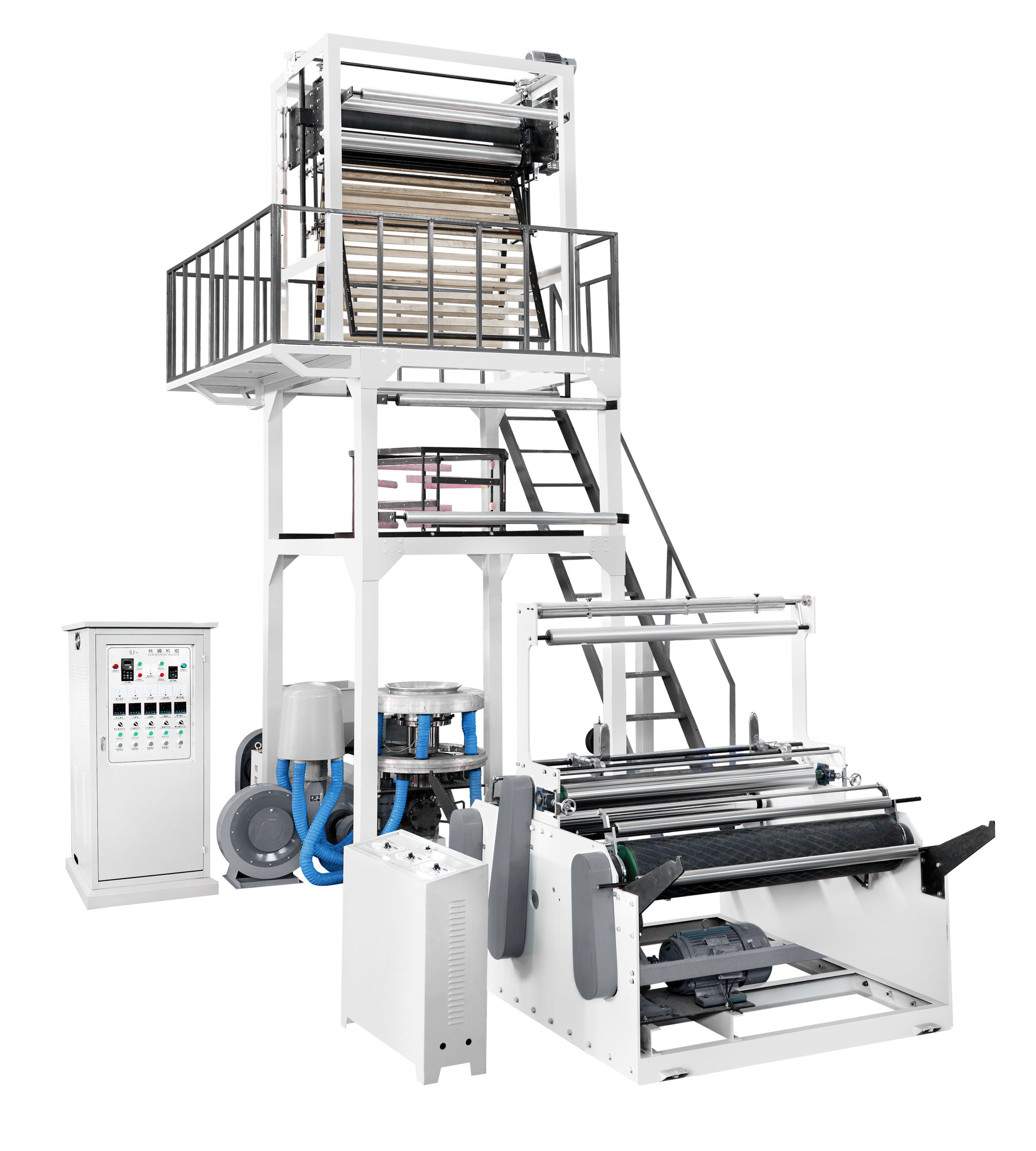
How a Plastic Bag Making Machine Works: From Film to Finished Bag
Core functions of a plastic bag making machine in clear bag production
Modern plastic bag making machines automate seven essential processes to transform plastic film into retail-ready transparent bags:
- Precision film unwinding and alignment
- Fold formation using servo-controlled guides
- Heat sealing of side seams and bag bottoms
- High-speed cutting with laser or rotary blades
- Handle punching/application (if required)
- Batch counting and stacking
- Automated quality verification
These systems maintain ±0.1mm tolerance in bag dimensions while operating at speeds exceeding 200 bags/minute, ensuring consistent clarity and structural integrity in final products.
Key components enabling automated conversion of film into transparent bags
Four critical subsystems work in unison to achieve seamless film-to-bag conversion:
| Component | Function | Impact on Clarity |
|---|---|---|
| Tension Control | Maintains uniform film stretch | Prevents light-distorting stress patterns |
| Optical Sensors | Detects film defects/misalignment | Ensures 100% visible flaw removal |
| Ceramic Sealing Bars | Provides contaminant-free heat application | Maintains crystal-clear seal areas |
| Chilled Calenders | Rapidly cools sealed edges | Preserves molecular alignment for transparency |
These components enable 0.5% material waste rates in premium machines while meeting optical clarity standards above 92% light transmission.
Integration of extrusion and bag-making units for seamless manufacturing
Leading systems combine blown film extrusion directly with bag conversion through synchronized servo motor control systems, eliminating intermediate film handling that can cause scratches or haze. This direct-feed approach:
- Reduces oxidation from film storage by 67%
- Maintains optimal temperature (140–160°C) for interlayer bonding
- Enables real-time thickness adjustments (±2μm) during bag formation
Integrated systems achieve <0.3% variance in bag wall thickness – critical for maintaining optical uniformity in clear plastic packaging.
Blown Film Extrusion: Achieving Strength and Clarity in LDPE and HDPE Films
When it comes to making plastic films that need good strength against tearing and punctures, blown film extrusion is the go-to method, especially when working with LDPE and HDPE materials. Basically, the process takes hot melted plastic and blows it through a round opening until it forms a big bubble shape. Then they cool this bubble down using special air rings around it which helps control how fast the plastic solidifies. Sure, these films tend to look a bit cloudier than those made through casting methods because they cool more slowly, but tests show that blown films actually stand up better to tears by about 15 to 25 percent. Most companies stick with blown extrusion for things like trash bags and heavy duty packaging since nobody really cares if the plastic isn't crystal clear when what matters most is whether it can hold up under stress.
Cast Film Extrusion: Advantages for Optical Clarity and Uniform Thickness
Cast film extrusion is really good at making those super clear bags we see in stores and on grocery shelves. When the molten polymer moves through a straight die and lands on cold rollers, it cools down about three times quicker compared to other methods like blowing. This fast cooling reduces those tiny crystal formations that actually make plastic look cloudy. The result? Films with under 2% haze, which means products inside stay visible and attractive to customers. Another benefit worth mentioning is how consistent the thickness stays throughout production runs. Even when working with widths up to 8 meters, the variation remains around plus or minus 3%. That kind of consistency makes all the difference when running those high speed bag making machines day after day without issues.
Cooling, Stretching, and Setting Techniques That Enhance Transparency
| Technique | Blown Film Application | Cast Film Application | Transparency Impact |
|---|---|---|---|
| Air Cooling | Bubble stabilization | N/A | Creates surface micro-roughness |
| Chill Roll Quenching | N/A | Immediate surface solidification | Reduces crystallinity by 40% |
| MD/TD Stretching | Limited due to bubble geometry | Precisely controlled ratios | Aligns polymer chains uniformly |
Post-extrusion treatments like machine-direction (MD) and transverse-direction (TD) stretching further optimize light transmission. Modern lines combine these with inline corona treatment to achieve over 92% visible light transmittance in polypropylene retail bags without compromising sealability.
Polymer Selection: Matching Resin Materials to Plastic Bag Making Machine Requirements
LDPE, HDPE, and Polypropylene: Properties Affecting Clarity and Performance
The best transparency results from modern plastic bag machines come when they work with resins that match what the equipment needs. Take low density polyethylene (LDPE) for instance it gives great flexibility and those shiny finishes many customers want, but getting the temperature just right is critical otherwise we end up with cloudy bags nobody wants. High density polyethylene (HDPE) stands out for its strength, which makes it perfect for those heavy duty shopping bags people keep reusing. However, because of its crystalline nature, HDPE needs careful cooling if we want clear bags instead of foggy ones. Then there's polypropylene (PP), known for being crystal clear like glass. But manufacturers have to heat this material between 190 and 240 degrees Celsius during processing, or else the seals won't hold properly and the bags will leak.
A 2023 Polymer Engineering Study found that mismatched resin-machine pairings cause 34% of transparency defects in bag production. Key metrics like melt flow index (MFI) and crystallinity levels directly influence film quality:
| Polymer | MFI Range (g/10min) | Crystallinity (%) | Optimal Clarity Thickness (μm) |
|---|---|---|---|
| LDPE | 0.3–6 | 45–55 | 15–30 |
| HDPE | 0.1–1.5 | 60–80 | 20–40 |
| PP | 2–12 | 50–70 | 10–25 |
Resin Pellet Quality and Its Impact on Film Transparency and Sealability
Getting consistent pellet shape and keeping moisture below 0.02% matters a lot if we want good quality extrusion results. When pellets vary in size, the melt doesn't flow evenly through the machine, which can leave those annoying fish eye spots or streaks in transparent plastic films. According to a recent industry report from 2024, manufacturers who switched to premium grade polypropylene saw around a 28% drop in sealing problems versus regular grade materials. This happens because these better quality resins have more uniform molecules throughout, so they seal reliably every time. For anti-block additives, most plants run between 0.5 to 1.5 percent depending on what kind of machinery they're using. These additives help prevent films from sticking together during production while still maintaining clarity, but operators need to adjust them properly based on how fast their screws are turning.
Optimizing Machine Settings for Different Polymer Types and Film Behaviors
The design of extruder screws needs to match up with how different resins behave when melted. For instance, HDPE usually calls for deeper flight grooves with around a 6 to 1 compression ratio, while polypropylene works better with shallower flights at about 4 to 1 instead. When working with LDPE, many plants install those dual cooling systems because they really help stabilize bubbles during the blown film process. Industry specs suggest keeping temperature fluctuations in the barrel below plus or minus 2 degrees Celsius makes a noticeable difference in film quality, boosting clarity by roughly 19 percent when running at speeds over 150 bags per minute. These days, real time viscosity monitoring has become pretty standard equipment too. It allows machines to tweak die lip settings automatically as materials change, which keeps the final product thickness consistent throughout production runs despite switching between different types of plastic.
Cutting, Sealing, and Finishing Techniques in Transparent Bag Fabrication
Precision Cutting Systems for Consistent Size and Edge Quality
Today's plastic bag manufacturing equipment uses servo driven rotary blades capable of achieving around 0.2 mm accuracy in dimensions, which is really important for keeping bags looking consistent across production runs. These machines also feature laser guided alignment systems working alongside optical sensors that can adjust automatically when there are changes in film thickness of up to 300 microns. This helps get rid of those annoying jagged edges that mess with the clear appearance of the bags. For cutting, manufacturers rely on high frequency vibration cutters running about 1200 times per minute. These not only create clean perforations but also minimize the heat distortion problems that often affect transparent plastic films during processing.
Sealing Technologies: Impulse, Constant Heat, and Ultrasonic Methods
Sealing jaws that maintain temperatures between about 80 degrees Celsius to around 220 degrees Celsius can adjust to how LDPE and HDPE films behave, which helps create those smooth, bubble free seams we all want. For more fragile materials, impulse systems work by delivering short bursts of heat lasting anywhere from half a second up to two seconds. Then there are the ultrasonic options too, these actually produce vibrations at around 20 kilohertz frequency that literally bond the material layers together at a molecular level without needing any outside heat source. And let's not forget about pressure control either. Keeping pressure variations under 0.5 percent across the entire sealing bar is absolutely crucial when making sure there are no weak points in something as important as medical packaging where failure just isn't an option.
Balancing Production Speed with Seal Integrity in High-Output Operations
At 180 bags/minute throughputs, advanced machines maintain 0.3% seal defect rates through real-time IR thermography and pressure mapping. Dual-stage cooling tunnels rapidly set seals within 0.8 seconds, enabling 23% faster cycle times versus conventional systems without compromising tensile strength (≥15 N/15mm as per ASTM F88 standards).
Final Shaping and Feature Addition (e.g., Handles, Perforations)
Die-cutting units with 0.01 mm tolerance create ergonomic handle cutouts in 8–12 layer co-extruded films. Micro-perforation wheels (50–200 holes/inch) equipped with self-clearing teeth maintain airflow consistency in breathable produce bags. Post-forming inspection systems use 5MP cameras to verify feature alignment within ±0.5 mm positional accuracy.
Quality Control and Automation in Modern Plastic Bag Production
Automated inspection for clarity, thickness, and seal defects
Modern plastic bag making machines integrate machine vision systems that achieve 99.5% defect detection accuracy. High-resolution cameras combined with AI algorithms scan each bag at 120 frames per second to identify:
- Micro-tears in film layers
- Seal width deviations beyond ±0.3mm tolerance
- Haze levels exceeding 5% transparency thresholds
These systems automatically reject 2.1% of production on average while logging defect patterns for process optimization—a 67% improvement over manual inspections.
Winding and packaging systems for efficient downstream handling
Automated turret winders with adaptive tension control maintain consistent roll tightness across production speeds up to 1,200 bags/minute. Integrated weighing systems combine with robotic palletizers to create full truck loads within ±0.5kg weight accuracy, reducing shipping costs by 18% compared to manual stacking.
Ensuring batch consistency and compliance in B2B transparent bag supply
The tracking of production data follows ASTM D882-18 standards via these new blockchain based QA platforms that manufacturers are starting to adopt. According to research from last year, when factories use automation, they can keep thickness variations under control at around 2.5% during those long 72 hour production cycles, which matters a lot for meeting food safety regulations. Monitoring thickness as it happens cuts down on wasted materials about 9%, plus keeps the packaging clear enough to hit that minimum 94% transparency requirement needed for products displayed on store shelves.
FAQs
What is the main function of a plastic bag making machine?
A plastic bag making machine automates the process of transforming plastic film into retail-ready bags, which includes unwinding, folding, sealing, cutting, and quality verification.
How do tension control systems affect bag clarity?
Tension control systems maintain uniform stretch in the plastic film, preventing stress patterns that can distort light and compromise bag clarity.
What is the difference between blown and cast film extrusion?
Blown film extrusion produces strong films with cloudiness due to slow cooling, while cast film extrusion offers super clear films with uniform thickness due to rapid cooling.
How important is polymer selection in bag production?
Polymer selection is crucial as it directly impacts film clarity and performance, with properties like flexibility, strength, and temperature requirements affecting the final product.
Table of Contents
- How a Plastic Bag Making Machine Works: From Film to Finished Bag
- Blown Film Extrusion: Achieving Strength and Clarity in LDPE and HDPE Films
- Cast Film Extrusion: Advantages for Optical Clarity and Uniform Thickness
- Cooling, Stretching, and Setting Techniques That Enhance Transparency
- Polymer Selection: Matching Resin Materials to Plastic Bag Making Machine Requirements
- Cutting, Sealing, and Finishing Techniques in Transparent Bag Fabrication
- Quality Control and Automation in Modern Plastic Bag Production
- FAQs