
 EN
EN
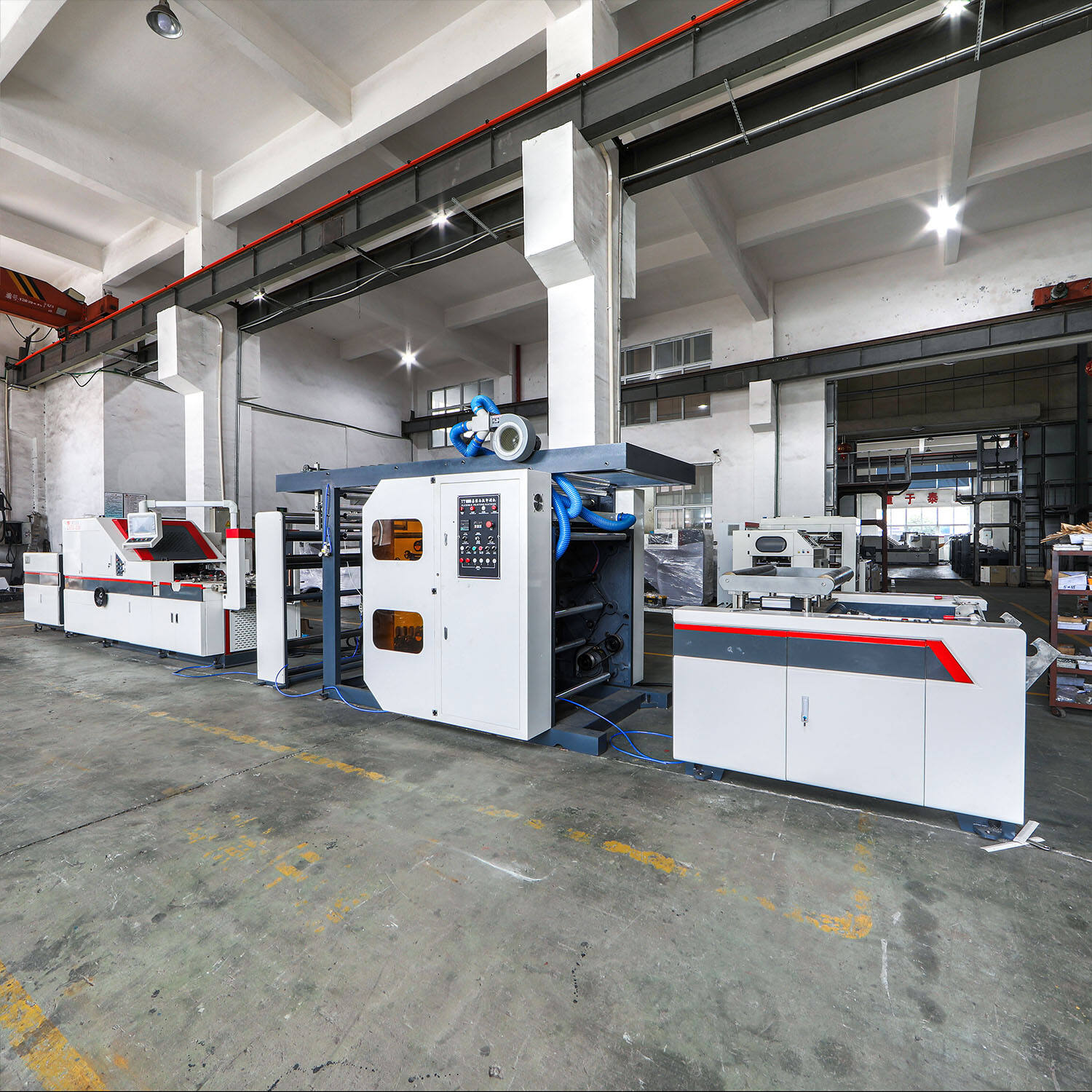
How Paper Bag Making Machines Meet Food-Grade Packaging Demands
Rising Demand for Sustainable, Grease-Proof Paper Bags in Food Service
Restaurants and cafes across the country are starting to invest in paper bag machines that make eco-friendly packaging resistant to grease. The push comes after Statista reported a massive 72% jump in requests for alternatives to plastic over the past year. What makes these machines special? They use cutting edge coatings to craft biodegradable bags that can hold everything from greasy fries to oily pastries without leaking. Most setups now apply either plant derived waxes or mineral based coatings as protective layers. This approach gives the same protection against oil seepage we get from traditional materials but skips the harmful PFAS chemicals that have raised so many health concerns lately.
Compliance with Food Safety Standards Through Automated Bag Production
Today's paper bag manufacturing equipment is built to satisfy those tough food safety standards everyone talks about these days, like the FDA 21 CFR requirements and the EU's Regulation 1935/2004. Most machines feature stainless steel parts where they touch the product, along with sealed adhesive delivery systems that prevent contamination. The folding mechanisms are pretty precise too, which helps keep everything within those material migration limits set by regulators. Many newer models come with built-in quality check systems that scan each bag as it comes off the line. These systems can handle well over 100 bags every minute without needing much operator input, which obviously cuts down on cross contamination risks during production runs.
Smart Controls and Automation in Modern Paper Bag Making Machines
Industry 4.0 integration enables paper bag making machines to leverage IoT sensors and AI-driven vision systems for optimal performance. Real-time monitoring ensures consistent output across critical parameters:
| Parameter | Operational Impact |
|---|---|
| Coating thickness | ±0.01 mm accuracy for reliable grease resistance |
| Sealing temperature | Maintains 150–160°C range for food-safe bonds |
| Production speed | Adaptive adjustments prevent material stress and jams |
These smart features reduce material waste to less than 1%, supported by predictive maintenance alerts and self-calibrating components that sustain continuous, food-safe production.
Material Science: Selecting Grease-Proof Paper for Food Packaging
Properties of Greaseproof Paper and Its Role in Food Packaging
Greaseproof paper relies on a high-density cellulose structure formed through mechanical refining, creating a natural barrier against oils and fats without chemical coatings. This makes it ideal for automated paper bag making machines producing food-grade packaging. According to a 2024 study, food-grade greaseproof paper reduces leakage incidents by 85% compared to standard kraft paper when used in high-speed bagging systems.
Coated Paper Types for Moisture and Grease Resistance: Performance Compared
Fluorochemical-free water-based coatings now achieve up to 94% grease resistance while complying with FDA 21 CFR §176.170. Silicone-coated papers remain popular for pastry packaging due to their non-stick properties, but emerging PLA (polylactic acid) biopolymers offer compostable solutions for items like burger wrappers. Polyethylene-coated variants are still used for frozen foods, though manufacturers are shifting toward thinner coatings (12–18μm) to improve recyclability.
Key Selection Criteria: Basis Weight, Tensile Strength, and Permeability
Optimal performance in paper bag making machines requires materials with 60–90 gsm basis weight, balancing durability and flexibility. Tensile strength above 8 kN/m prevents tearing during high-speed processing, while air permeability below 25 Gurley seconds ensures effective oil containment. Leading suppliers now offer AI-powered compatibility tools that match paper specifications to machine setups, reducing changeover downtime by 23% based on 2023 industry surveys.
Food Safety Compliance and Regulatory Standards for Grease-Resistant PaperFDA and EU Regulations for Food-Grade Paper Materials
Meeting FDA and EU regulations is pretty much a must when it comes to making sure paper packaging stays safe for food contact. Under the FDA's regulation 21 CFR 176.170, there are tight restrictions on how much chemicals can move from adhesives and coatings to food products during normal storage and handling conditions. On the other side of the Atlantic, the European Union has its own rules too. Their BfR Recommendation XXXVI from 2016 actually caps the amount of volatile organic compounds at 150 mg per kg in paperboard materials, something that gets checked through specialized lab tests called chromatography. All these standards push manufacturers toward safer alternatives like coatings made from cellulose or adhesives derived from starch instead of synthetic chemicals. Many companies have had to completely rethink their material choices just to stay compliant with these evolving safety requirements.
PFAS Controversy: Health Concerns and Shift Toward Safer Coatings
Those pesky Per- and Polyfluoroalkyl Substances (PFAS) used so often in non-stick coatings are now known to mess with our hormones and weaken immune systems. Recent research back in 2022 discovered these chemicals lurking in about two thirds of all food packaging samples tested. No wonder places like California and the European Union decided enough was enough and set their sights on banning them completely by mid-decade. Most companies seem to be getting the message too. Around four out of five manufacturers have already switched over to better options such as paraffin wax mixtures applied at roughly 12 to 18 grams per square meter, or various plant derived film materials. Some innovative solutions stand out though. Take for instance coatings made from whey protein mixed with rapeseed oil that cut through grease almost entirely - down by nearly 95% according to tests. Plus they decompose naturally under EU guidelines for compostable products, making them pretty attractive for eco-conscious businesses looking to stay ahead of regulations.
Applications in Bakery, Fast Food, and Takeaway Packaging Industries
Modern paper bag making machines support diverse food packaging needs through adaptable engineering and material integration.
Optimizing Paper Bag Machine Output for High-Fat Food Packaging
Companies dealing with oily or greasy food products need packaging solutions that can churn out around 900 to maybe even 1,200 grease resistant bags each hour according to recent market data from Food Packaging Trends in their 2023 report. Modern high speed wicket bag machines have started using double sided silicone treatments while forming the bags, which cuts down on oil seepage roughly two thirds better than regular laminated materials do. The machines also feature advanced tension controls powered by servos, something that keeps the paper moving smoothly and consistently through the system. This matters a lot because it helps maintain the strength of the package especially important when wrapping heavier goods such as artisan baked bread loaves or crispy fried chicken pieces that would otherwise tear through weaker packaging.
Customizing Bag Machines for Artisanal Bakeries and Specialty Needs
Small bakeries can benefit greatly from modular paper bag makers since they let operators change settings for different handle types, gusset sizes, and printing options as needed. The adjustable platens make it possible to go from making those little 8 inch croissant carriers right up to bigger 14 inch sandwich bags within just about 15 minutes flat. According to recent market research conducted across Europe last year, most bakeries (around 8 out of 10) really care about having machines that offer perforated handles plus good branding features. These capabilities help strengthen their brand presence while also showing customers they're committed to greener packaging solutions.
Adapting Materials and Machines for Climate-Specific Performance
Paper bags used in tropical regions need to stand up against humidity that regularly hits between 85 and 90 percent. Many manufacturers now turn to wax alternatives such as PLA coatings which help keep moisture out. Some facilities have also started using these special infrared drying tunnels during production, cutting down on how much moisture gets absorbed when bags are stored or transported by roughly 40 something percent. Real world tests indicate that bags with two stage sealing hold their adhesive properties even when temperatures reach around 35 degrees Celsius and humidity climbs past 95%. This matters a lot for places like beachside burger stands or street food vendors who deal with constant exposure to both heat and damp conditions daily.
Bag Formation Technologies Ensuring Grease-Proof Integrity and Durability
Folding, Gluing, and Sealing Techniques for Structural Strength
Getting those folds just right, applying glue properly, and making sure seals hold firm is what keeps finished bags from letting grease through. These days, manufacturers rely on reinforced gussets and automated creasing tech to make bags strong enough to carry around 15kg of greasy stuff without seams coming apart. The Fiber Packaging Association reported this back in 2023. When it comes to glue application, modern systems spread adhesive pretty evenly across surfaces. They hit within about half a millimeter accuracy most of the time, which means the joints stay intact even when heavy loads are placed on them. Bags made this way simply don't delaminate during normal usage conditions.
Cold Glue vs. Heat Seal Methods: Food-Safe Joint Solutions
As the industry moves away from PFAS, innovations in sealing technologies are gaining traction:
- Cold glue systems now use starch-based adhesives compliant with FDA 21 CFR 176.170, offering 98% biodegradability and strong bond performance at room temperature
- Heat seal methods employ compostable PLA films activated at 140°C ±5°C, forming oil-resistant closures ideal for high-speed operations
Hybrid systems combining both techniques have demonstrated a 72% reduction in grease leakage compared to single-method approaches. Pressure-sensitive adhesives are preferred in artisanal bakeries, while heat-sealed edges dominate quick-service restaurants due to faster throughput and consistent sealing.
FAQ Section
What are the main benefits of using biodegradable paper bags in food packaging?
Biodegradable paper bags offer eco-friendly packaging solutions that are resistant to grease without leaking harmful PFAS chemicals, making them suitable for greasy foods and addressing environmental concerns.
How do paper bag making machines comply with food safety standards?
Modern paper bag making machines integrate stainless steel parts, precise folding mechanisms, and automated quality check systems to meet FDA and EU food safety standards, minimizing contamination risks.
What advancements have been made in sealing technologies for grease-proof paper bags?
Innovations in sealing technologies include starch-based adhesive systems offering biodegradability and heat seal methods that utilize compostable PLA films for oil-resistant closures.
Can paper bag machines be customized for specific food packaging needs?
Yes, paper bag machines can be customized with modules for different handle types, gusset sizes, and printing options, catering to diverse packaging requirements such as artesian bakery products or high-fat foods.
What are the alternatives to PFAS in paper food packaging?
Alternatives to PFAS include paraffin wax mixtures, cellulose-based coatings, whey protein mixed with rapeseed oil, and plant-derived films, all aimed at providing safer and more sustainable options.
Table of Contents
- How Paper Bag Making Machines Meet Food-Grade Packaging Demands
-
Material Science: Selecting Grease-Proof Paper for Food Packaging
- Properties of Greaseproof Paper and Its Role in Food Packaging
- Coated Paper Types for Moisture and Grease Resistance: Performance Compared
- Key Selection Criteria: Basis Weight, Tensile Strength, and Permeability
- FDA and EU Regulations for Food-Grade Paper Materials
- PFAS Controversy: Health Concerns and Shift Toward Safer Coatings
- Applications in Bakery, Fast Food, and Takeaway Packaging Industries
- Bag Formation Technologies Ensuring Grease-Proof Integrity and Durability
-
FAQ Section
- What are the main benefits of using biodegradable paper bags in food packaging?
- How do paper bag making machines comply with food safety standards?
- What advancements have been made in sealing technologies for grease-proof paper bags?
- Can paper bag machines be customized for specific food packaging needs?
- What are the alternatives to PFAS in paper food packaging?