 EN
EN
How Multi-Layer Film Blowing Machines Work and Why They Matter
The Science Behind Co-Extrusion in Film Blowing Machine Technology
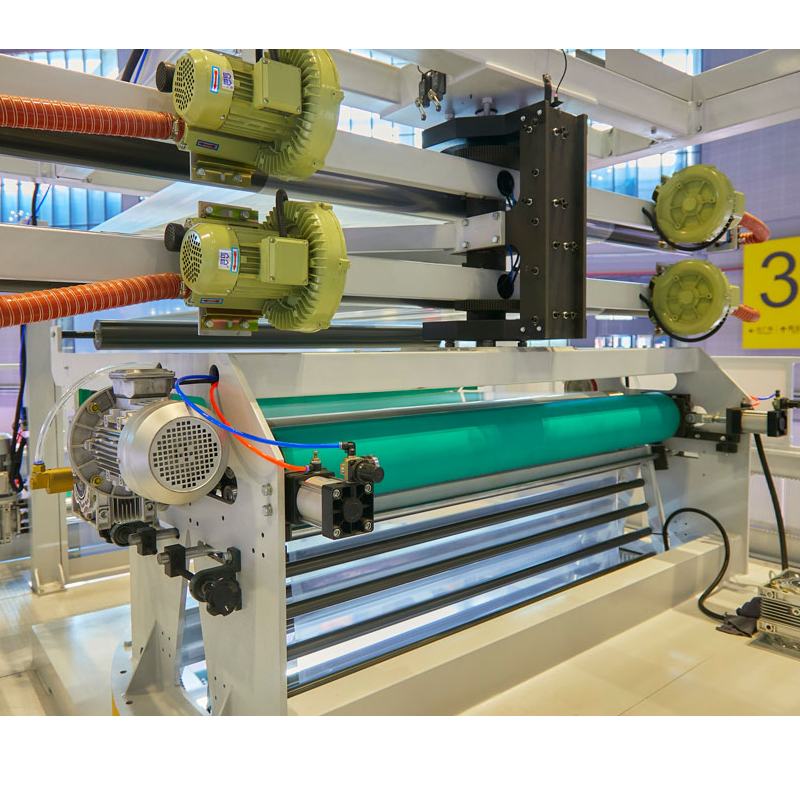
The multi layer film blowing machines work by using what's called co extrusion technology to blend different melted plastics together into one advanced film material. Several extruders run in sync to heat up various plastics like polyethylene (PE), polyamide (PA), and sometimes ethylene vinyl alcohol (EVOH) at just the right temps before they all get mixed together through a special multi channel die head. What really makes this whole thing stick together are these special tie layers made from adhesive polymers that hold everything together even when the base materials wouldn't normally mix well. Take EVOH for example it has amazing properties against oxygen but needs protection from moisture. That's why manufacturers sandwich it between layers of PE which resists water, keeping the whole structure intact without any risk of peeling apart over time.
Key Components and Layer Configuration (5-Layer and Above)
Modern systems feature modular designs with:
- 5-layer configurations: Commonly structured as Sealant/Tie/Barrier/Tie/Protective
-
7- to 9-layer machines: Incorporate additional layers for UV protection, anti-static properties, or recycled content
Essential components include planetary gear extruders for uniform melt flow, adjustable feedblocks for precise layer thickness control, and dual-air cooling rings that stabilize the inflated film bubble. A 2023 polymer processing study found that 9-layer films reduce material waste by 18% compared to traditional 3-layer designs through optimized layer distribution.
Advantages Over Single-Layer Films in Industrial Applications
By integrating multiple materials in one production pass, multi-layer films deliver superior performance:
| Property | Single-Layer | 5-Layer Film | Improvement |
|---|---|---|---|
| Oxygen Transmission | 2,500 cc/m² | <5 cc/m² | 99.8% |
| Puncture Resistance | 3 N/mm | 12 N/mm | 300% |
| This synergy has led 73% of food manufacturers to adopt multi-layer films for vacuum-sealed packaging (Food Engineering Report, 2024). The technology also enables thinner gauges (12–40 microns) without sacrificing durability–supporting global efforts to reduce plastic consumption in sustainable packaging. |
Superior Barrier Properties of Multi-Layer Films for Product Protection
The latest generation of film blowing machines can create multi layer films that offer outstanding protection properties. These advanced materials typically combine EVOH which resists oxygen, PA that adds mechanical strength, plus those special tie layers that help everything stick together properly. The result? Oxygen transmission rates drop by around ten thousand times compared to regular single layer films. What makes this so useful is how well they block moisture without losing their flexibility, which explains why many companies in the pharmaceutical sector and food packaging industry have started switching to these composite films for their sensitive products.
Role of EVOH, PA, and Tie Layers in Moisture and Oxygen Resistance
The crystalline structure of EVOH creates almost complete protection against oxygen infiltration, whereas PA adds strength against punctures and maintains shape stability under stress. These tie layers serve as chemical glue between different polymer materials, stopping them from separating when processed at high speeds. Most packaging applications use a five layer setup such as PE followed by tie layer, then EVOH, another tie layer and finally PE again. This configuration cuts down on moisture loss by around 92 percent when compared to regular single layer polyethylene films. What makes this construction so popular is that it combines decent price points with outstanding barrier properties, something manufacturers constantly look for in their material choices.
Extending Shelf Life in Food and Pharmaceutical Packaging
In vacuum-packed meats, multi-layer films maintain oxygen levels below 0.01%, extending shelf life by 30–50% by inhibiting microbial growth. For pharmaceutical blister packs, EVOH-based barriers protect humidity-sensitive medications, reducing spoilage-related losses by $2.6B annually (Pharma Packaging Report 2024).
Balancing Sustainability with High-Performance Barrier Requirements
Manufacturers now integrate 30% post-consumer recycled content into outer PE layers without compromising barrier performance. Advances in thin-film nanotechnology further cut material usage by 18% while maintaining protection–highlighted in the 2023 Sustainable Packaging Materials Review. This approach allows compliance with FDA and ISO 15378 standards while advancing eco-conscious manufacturing.
Precision and Efficiency in the Co-Extrusion Process
Advanced film blowing machines ensure precision through tightly controlled co-extrusion systems. Maintaining melt temperatures within ±1.5°C and optimizing screw geometries ensures consistent polymer flow–essential for defect-free films used in medical and food applications.
Ensuring Melt Homogeneity and Uniform Layer Distribution
High-efficiency twin-screw extruders with specialized mixing zones eliminate temperature gradients and prevent polymer degradation, which account for 74% of defects in single-layer systems (Plastics Engineering Journal, 2023). Real-time viscosity sensors dynamically adjust screw speeds to accommodate resin variations, enabling layer thickness control down to 0.5 microns.
Advanced Die Design and Flow Control for Defect Reduction
Radial flow dies with over 15 internal channels reduce interlayer instability by 63% compared to conventional designs. Adaptive die lips automatically correct flow imbalances, minimizing common defects such as melt fracture and uneven sealing surfaces.
Real-Time Monitoring and Process Optimization
Integrated spectroscopy systems analyze layer composition every 200 milliseconds, allowing instant adjustments to preserve barrier integrity. This closed-loop system prevents 92% of deviations in films requiring ultra-low oxygen transmission (<0.01 g/m²/day). Automated thickness gauges synchronize with winders to ensure roll consistency even at speeds above 400 m/min.
Automation and Equipment Innovation in Modern Film Blowing Machines
Closed-Loop Thickness Control and AI-Driven Adjustments
Closed-loop control systems use real-time measurements to automatically regulate die gaps. AI algorithms process up to 1,000 data points per second on melt viscosity, reducing thickness variation to ±3% across 8-meter-wide films. When paired with infrared layer scanners, these systems achieve 18% material savings over manual methods while meeting tensile strength specifications.
Smart Sensors and Industry 4.0 Integration for Predictive Maintenance
Sensors for vibrations along with thermal imaging can spot problems with bearings long before they actually fail, sometimes as much as three days ahead of time. When these systems are connected through industrial internet of things tech, factories see around 41 percent fewer unexpected shutdowns according to Packaging Technology Research from last year. The control panels that track energy usage throughout different heating areas help find places where companies can save on electricity bills too. Some facilities have managed cuts of nearly 22% in their power costs when looking at complex production lines with multiple layers of operation.
Reducing Waste and Downtime Through Automated Production Lines
Automated workflows now integrate resin drying, coloring, and recycling processes directly into film blowing lines. Machine-vision-guided robotic web controllers correct alignment errors within 0.5 seconds during winding, reducing edge-trim waste to just 1.2% of total output. These advancements support continuous 240-hour production runs–representing a 63% increase in uptime over semi-automated setups.
Overcoming Challenges in High-Speed Multi-Layer Film Production
Maintaining Thickness Consistency at High Line Speeds
Modern extrusion machines can handle speeds over 400 meters per minute while still keeping thickness variations within about 2%. They achieve this through those adaptive die lip systems we've been talking about. According to research published by the Plastics Engineering Society last year, manufacturers saw significant improvements when switching from traditional circular dies to hexagonal ones paired with real time melt monitoring equipment. The difference? Around 34% less layer variation in their products. When it comes to managing interface stability during processing, experienced operators know exactly what temperatures work best for different polymers. For example, EVOH typically needs to run between 225 and 240 degrees Celsius, whereas polyolefins generally perform better when kept 15 to 20 degrees cooler. These temperature adjustments make all the difference in achieving consistent quality across production runs.
Optimizing Cooling and Haul-Off Tension for Surface Smoothness
The dual chamber air ring technology with its super fine 0.01 degree Celsius temperature control really helps reduce those pesky orange peel effects on film surfaces. This is particularly noticeable when working with complicated seven layer structures that include adhesive tie layers. According to recent findings published by the International Packaging Institute last year, maintaining haul off tension somewhere around 2.5 to 3.5 Newtons per square millimeter can boost surface gloss levels by about 28 percent in PA/PE films while keeping elongation properties intact. For manufacturers dealing with resin inconsistencies, telescoping bubble stabilizers are becoming essential equipment. These devices continuously adapt to changes in diameter caused by varying resin batches, which cuts down on edge weave problems by roughly 40 something percent according to field tests.
Managing the Trade-Off Between Output Speed and Film Quality
Smart layer multiplier tech can push output rates up to around 300 kg per hour while still keeping those all important barrier properties intact. Some recent tests have shown that these fast moving 5 layer films actually keep oxygen transmission pretty low, under 0.5 cc per square meter per day. When manufacturers combine thermal imaging with AI controlled cooling systems, they see about a 60 something percent drop in neck in issues when speeding things up. This means machines can get going about 15% quicker without creating those pesky fisheye defects. And let's not forget about the energy savings too. Modern recovery systems grab roughly 78% of the heat wasted by extruders for frost line control purposes, which cuts down on total energy waste by approximately 22 kilowatt hours per ton produced.
FAQs
- 1. What are multi-layer film blowing machines?
- 2. Why are tie layers important in film blowing?
- 3. How do multi-layer films compare to single-layer ones?
- 4. How do modern systems integrate sustainability?
- 5. How do advanced machines ensure film quality during production?
Multi-layer film blowing machines utilize co-extrusion technology to blend various melted plastics to produce an advanced film material with superior protection properties.
Tie layers, made from adhesive polymers, hold different melted materials together, especially when base materials don’t usually mix well, ensuring the integrity of the film structure.
Multi-layer films offer superior properties such as reduced oxygen transmission rates by ten thousand times and better puncture resistance compared to single-layer films.
Manufacturers are incorporating up to 30% post-consumer recycled content into outer layers, complying with standards while maintaining high barrier performance and eco-friendliness.
Advanced machines use real-time monitoring, AI-driven adjustments, smart sensors, and innovative die designs to maintain consistency, reduce defects, and enhance production efficiency.
Table of Contents
- How Multi-Layer Film Blowing Machines Work and Why They Matter
- Superior Barrier Properties of Multi-Layer Films for Product Protection
- Precision and Efficiency in the Co-Extrusion Process
- Automation and Equipment Innovation in Modern Film Blowing Machines
- Overcoming Challenges in High-Speed Multi-Layer Film Production