
 EN
EN
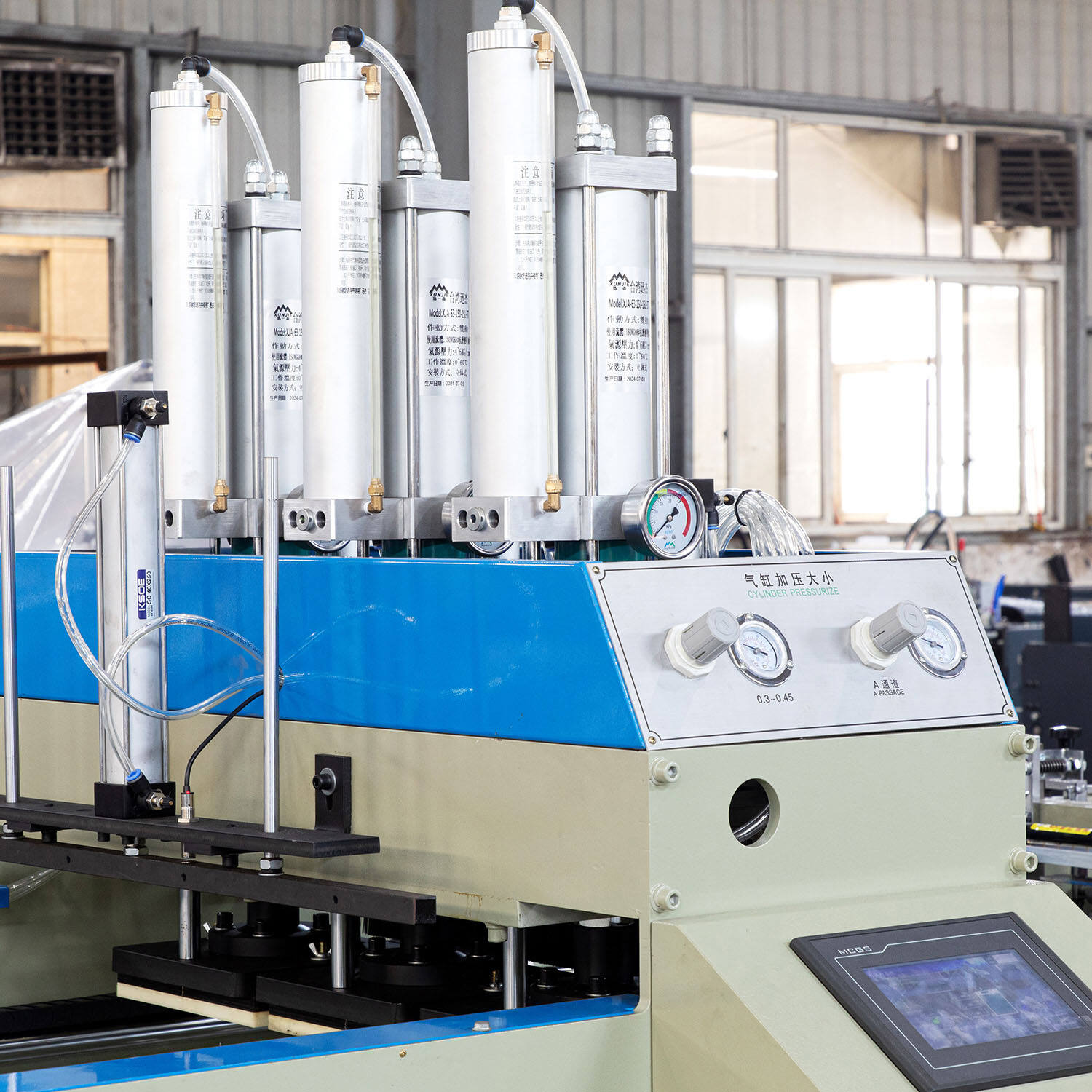
How Plastic Bag Making Machines Enable Anti-Static Industrial Packaging
Core Technology in Plastic Bag Making Machines for Static Control
Today's plastic bag manufacturing equipment incorporates several advanced methods to manage static electricity during production. Most machines feature high voltage ionizers that tackle electrostatic buildup while the film is being extruded. They also include inline sensors that track surface charges at around 500 times per second. The materials themselves are engineered specifically for their conductive properties, typically falling between 1 million and 1 trillion ohms per square as outlined in industry standards like ANSI/ESD S541-2021. These combined approaches help keep sparks below dangerous levels, particularly important since anything over 100 volts can potentially ignite solvent vapors commonly found in coating operations. A recent study from the ESD Association in 2023 showed that when manufacturers set up their equipment correctly, they cut down on waste caused by printing problems related to static by almost two thirds across electronic packaging lines.
Integrated Static Elimination Systems in Film Extrusion and Sealing
The blown film extrusion process uses contactless static neutralizers placed around 5 to 8 millimeters away from the molten plastic layer. These devices manage to cut down static charges by as much as 90 percent while keeping the film itself free from contamination, even when operating at extremely high temperatures approaching 320 degrees Celsius. When it comes time for heat sealing operations, special conductive silicone strips come into play. These have resistance values somewhere between 10 million and 1 billion ohm centimeters, which allows them to safely remove any remaining electrical charges prior to winding up the material. Testing in controlled cleanroom environments suggests that this approach stops roughly 80% of those annoying dust particles from sticking to finished products after production. The result? Much cleaner end products that perform better over time, though some manufacturers still report occasional issues depending on their specific setup and materials used.
Design Features That Prevent Electrostatic Discharge During Production
Modern anti-static bagging equipment relies on metal grounding grids that have resistance below 10 ohms to ground instead of those plastic rollers that actually create static through friction. These machines often feature pneumatic tension systems that keep just the right amount of pressure (around 0.2 to 0.5 Newtons per square millimeter) on the film to cut down on static buildup from rubbing surfaces. Some higher end versions come equipped with special humidity control areas maintained between 45 and 55 percent relative humidity. This controlled environment makes surfaces conduct electricity better without damaging the polyolefin films used. Industry tests show these systems can slash electrostatic discharge incidents by nearly 92% when applied to sensitive pharmaceutical packaging needs.
Anti-Static Technology in Industrial Bags: Types, Principles, and Applications
Fundamentals of Anti-Static, Dissipative, and Conductive Packaging Materials
Most industrial anti static bags work with three different kinds of materials to handle electrostatic discharge problems. The first type is anti static polyethylene that has stuff added to it like glycerol monostearate. This brings down the surface resistance to around 10^12 ohms per square area, basically stopping charges from building up in the first place. Then there are dissipative materials that contain things such as carbon black or those quaternary ammonium compounds. These keep their resistance somewhere between 1 million and 10 billion ohms per square, allowing static charges to slowly drain away instead of accumulating dangerously. For conductive versions, we're talking about materials with resistance under 1 million ohms per square. They usually have metal coatings applied so any static builds up gets discharged really fast. When choosing what kind of bag to use, manufacturers follow guidelines set out in the IEC 61340-5-1 standard. According to this standard, electronic components inside packaging shouldn't hold onto more than 2 kilovolts worth of leftover charge after handling.
Static Shielding vs. Static Dissipative Bags: Performance and Use Cases
Shielding bags have these special layers made from polyester coated with aluminum that block out external ESD interference at around 35dB or more. Because of this protection, they work really well when storing sensitive items like parts for airplanes or equipment used in medical sterilization processes. On the flip side, static dissipative bags focus on preventing charges from building up inside while filling happens fast, which is what typically occurs in those big plastic bag manufacturing machines. According to a recent report from the ESD Association in 2023, shielding bags actually cut down chip failures by about 19 percent compared to just 12 percent reduction seen with dissipative bags in semiconductor transport situations. Still worth mentioning though, dissipative options tend to be cheaper per unit, coming in at roughly 28 percent less expensive than their shielding counterparts.
Critical Applications in Electronics, Pharmaceuticals, and Aerospace Industries
The pharmaceutical industry has seen a major shift toward anti-static films in blister packaging lately, with about 89% of automated lines using them to stop powders from sticking to tablets during production. When it comes to electronics manufacturing, there's this JEDEC guideline called JESD625-A that basically says bags need to stay under 11% humidity inside to protect those sensitive components from moisture damage. Things get even more interesting in aerospace where they demand incredibly low static charges, something like less than 100 volts. Modern plastic bag makers handle this by running corona treatments right during the extrusion process. This helps keep critical parts safe in these high stakes environments where reliability matters most.
Materials and Additives for Effective Static Control in Plastic Bag Production
Modern plastic bag making machines rely on specialized additives to mitigate static-related risks during production. These materials ensure safe handling of sensitive electronics, pharmaceuticals, and aerospace components by preventing electrostatic discharge (ESD).
Role of Anti-Static Agents in Polyethylene (PE) and Polypropylene (PP) Films
During the extrusion process, manufacturers mix anti-static agents right into polyethylene (PE) and polypropylene (PP) resins. These additives gradually move toward the surface of the film as time passes, creating what's basically a water-attracting layer. This layer pulls in moisture from the surrounding air which helps get rid of those annoying static charges. The effect is pretty significant too surface resistance drops dramatically from above 10 trillion ohms per square down to less than 10 billion ohms per square. This makes all the difference when working with blown film lines, where static can cause films to stick together or even spark during winding operations.
Chemical Composition and Dispersion Efficiency of Anti-Static Additives
Two primary additive classes dominate industrial use: nonionic surfactants such as glycerol esters for food-safe packaging, and cationic compounds like quaternary ammonium salts for industrial-grade bags. Performance hinges on dispersion efficiency—uneven distribution leads to localized charge accumulation. Twin-screw extruders achieve 98–99% homogeneity when blending masterbatch additives at concentrations of 1.5–2.5%.
Impact on Mechanical Strength, Clarity, and Recyclability of Plastic Bags
Early anti-static formulations reduced tensile strength by 15–20%, but advanced polymer-grafted nanomaterials now limit mechanical loss to less than 5%. Optical clarity remains a challenge in PP films, where haze increases from 3% to 8–12% with additive inclusion. However, newer water-soluble variants preserve over 95% recyclability, supporting compliance with circular economy requirements.
Managing Static Electricity Challenges in High-Speed Bag Manufacturing
Risks of Static Buildup During High-Speed Plastic Film Processing
High-speed processing in plastic bag making machines can generate charges exceeding 30 kV in under 25 ms under low-humidity conditions. This disrupts film alignment, contributing to wrinkles and seal failures in 12–18% of production batches (Parker Hannifin 2023). Uncontrolled static also attracts airborne contaminants, affecting 5–8% of anti-static bags prior to final packaging.
Workplace Safety and ESD Hazards in Anti-Static Bag Production Environments
Around 7% of all injuries at work happen because of electrostatic discharge problems in factories and plants. According to numbers from the Electrical Safety Foundation International back in 2017, there were about 2,200 incidents where workers got hurt but survived in US manufacturing environments. A good chunk of these accidents, roughly 40%, came down to poor management of static electricity buildup. Smart companies now have multiple lines of defense against this hazard. They install special floors that conduct electricity away (less than one million ohms per square area). Many also use automatic systems that zap away static charges in half a second flat. And don't forget the basics too operators wear wristbands connected to ground points through resistors rated at one megaohm resistance to make sure no dangerous charge builds up on their bodies while working.
Static Control During Welding, Sealing, and Finishing Operations
Advanced machines incorporate real-time static monitoring across critical stages:
| Process Stage | Charge Threshold | Response Time |
|---|---|---|
| Film unwinding | ±3 kV | <100 ms |
| Heat sealing | ±1.5 kV | <50 ms |
| Bag stacking | ±500 V | <20 ms |
Rotary neutralizers with carbon fiber brushes keep surface potentials below 500 V during high-speed sealing, cutting material waste by 15–20%. At finishing stations, pulsed DC ionizers prevent static-induced adhesion in sorted bag batches, enhancing throughput and quality consistency.
FAQ
What are the main types of anti-static materials used in industrial bags?
Industrial anti-static bags typically use three types of materials: anti-static polyethylene, dissipative materials, and conductive materials. Anti-static polyethylene reduces surface resistance, dissipative materials allow static charges to drain away, and conductive materials quickly discharge static buildup.
How do plastic bag making machines manage static electricity?
Plastic bag making machines manage static electricity through high voltage ionizers, inline sensors, contactless static neutralizers, and conductive silicone strips. These methods help reduce electrostatic discharge during film extrusion and sealing processes.
Are static dissipative bags more cost-effective than static shielding bags?
Yes, static dissipative bags tend to be more cost-effective than static shielding bags, being approximately 28% less expensive per unit. However, shielding bags offer higher protection against external ESD interference.
What safety measures help prevent electrostatic discharge injuries in manufacturing environments?
Safety measures include installing conductive flooring, automatic static dissipation systems, and wearing wristbands connected to ground points. These measures help reduce electrostatic discharge injuries significantly.
Table of Contents
- How Plastic Bag Making Machines Enable Anti-Static Industrial Packaging
- Anti-Static Technology in Industrial Bags: Types, Principles, and Applications
- Materials and Additives for Effective Static Control in Plastic Bag Production
- Managing Static Electricity Challenges in High-Speed Bag Manufacturing
-
FAQ
- What are the main types of anti-static materials used in industrial bags?
- How do plastic bag making machines manage static electricity?
- Are static dissipative bags more cost-effective than static shielding bags?
- What safety measures help prevent electrostatic discharge injuries in manufacturing environments?