
 EN
EN
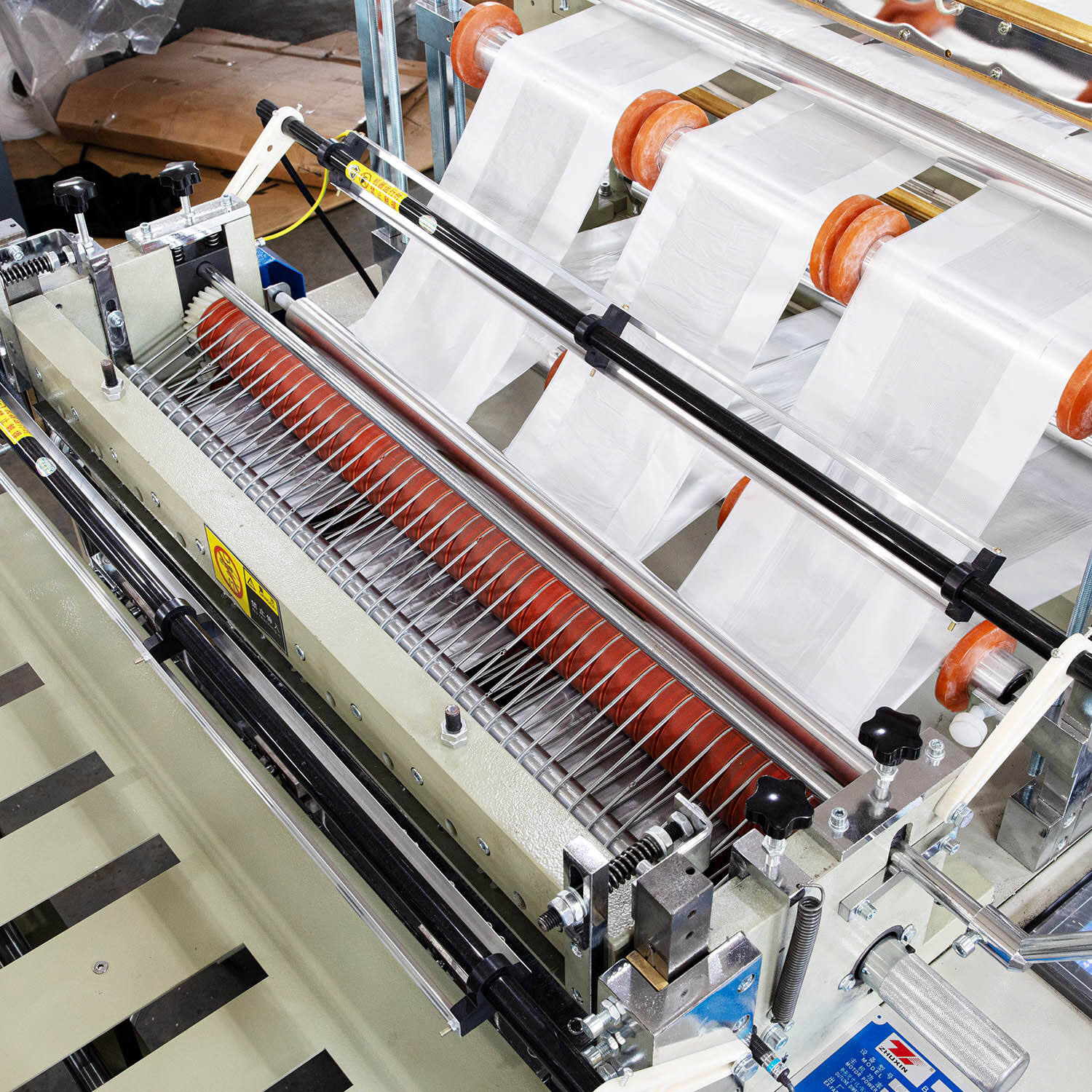
Maximizing Production Efficiency with High-Speed Plastic Bag Making Machines
How Machine Speed Impacts Supermarket Packaging Throughput
Supermarkets need tons of those standard grocery bags every single day. The new high speed plastic bag makers handle this demand pretty well, cranking out around 400 bags each minute which is roughly three times what old fashioned machines can do. When stores get these faster machines running, they actually clear up production holdups when fulfilling big orders and avoid those annoying stock shortages especially around busy shopping periods. According to some research published last year in the Packaging Efficiency Review, these machines cut down on energy costs per bag by somewhere between 18% and 22%. That makes a real difference for companies dealing with huge volume orders month after month.
Servo-Driven Motion Control vs. Traditional Mechanical Cam Systems
Modern servo-driven systems outperform mechanical cam systems in precision, adaptability, and efficiency:
| Feature | Servo-Driven Systems | Mechanical Cam Systems |
|---|---|---|
| Speed Range | 0–450 BPM (fully adjustable) | Fixed (max 150 BPM) |
| Vibration | 70% reduction | High (causes seal errors) |
| Energy Use | 30–35% lower | Consistent high draw |
Servo technology eliminates mechanical backlash, enabling instant speed adjustments when switching between 15–50 micron films—preventing jams and improving material handling. Closed-loop tension control further reduces film waste by up to 9 tons annually per production line.
Real-World Performance: Achieving 450 Bags per Minute in European Production Lines
European packaging plants are hitting impressive speeds these days, with some running at around 450 bags per minute thanks to their upgraded servo systems. Take one plant that supplies several big name retailers - they managed to slash their changeover time down below seven minutes all while keeping those seals within a tenth of a millimeter accuracy. The real kicker? This level of precision has slashed film waste by nearly a quarter compared to last year, which translates into about $740k saved annually according to research from Ponemon Institute back in 2023. And when supermarkets need restocked every 48 hours or so, having such reliable output makes those tight delivery schedules much easier to manage without disrupting supply chains.
Ensuring Quality with Advanced Servo-Driven Sealing Technology
Keeping good seal integrity when running at high speeds gets tricky mainly because of temperature changes. When the sealing jaws touch the film for such short periods, heat doesn't spread evenly across the surface. This often results in poor quality seals or even damaged materials, something that matters a lot for those plastic bags used in supermarkets to hold liquids. Looking at what's happening in the industry, there are reports indicating that these temperature issues account for more than 15 percent of defects in standard machines processing over 300 bags every minute. The problem really hits home when considering how many defective bags end up being thrown away instead of reaching consumers.
Challenges of Thermal Variability During High-Speed Operation
At peak speeds, traditional sealing systems struggle with heat dissipation imbalances. Hotspots and cold zones form along bag edges due to insufficient dwell time, compromising seal strength and increasing leakers. Thin-film polyethylene is especially vulnerable to burn-through under these conditions, compounding quality risks across variable-thickness materials.
Closed-Loop Temperature and Pressure Control in Dual-Station Sealers
The latest plastic bag manufacturing equipment tackles these issues through servo driven dual station sealers equipped with real time monitoring capabilities. These machines come with built in sensors that check temperatures roughly every 200 milliseconds. At the same time, PLC controllers tweak the heat settings and air pressure as needed. The whole system works like a feedback loop keeping temperatures within about 1 degree Celsius across all sealing areas. This results in pretty consistent seals around 99.5 percent of the time even when running at speeds approaching 450 bags per minute. What makes these machines stand out is their dual station design which lets them do sealing and cooling at the same time. This actually reduces thermal stress on the plastic films by approximately 40 percent compared to older single stage systems, something manufacturers really appreciate during long production runs.
Enabling Multi-SKU Flexibility Through Rapid Format Changes
Modular Tooling Design: Reducing Changeover Time from 45 to Under 8 Minutes
Production flexibility has gotten a major boost thanks to modular tooling systems. Traditional supermarket bag manufacturing lines used to take over 45 minutes just to switch between different SKUs. That included all sorts of changes like adjusting sizes, swapping materials, and reconfiguring formats. But today's equipment can knock out those same tasks in less than 8 minutes flat. The secret lies in pre-engineered components that simply snap together using standard interfaces. Digital recipe storage makes everything even smoother. With this kind of quick setup time, one production line can handle all sorts of bag formats throughout the day. Think T-shirt style bags one moment and gusseted versions the next, no downtime needed at all. Manufacturers are seeing around 89 percent improvement in switching between product types. This means they can actually make money on smaller custom orders without sacrificing their ability to run large volume production when needed.
FAQs
What are the benefits of high-speed plastic bag making machines?
High-speed plastic bag making machines increase production throughput, reduce energy costs per bag, and minimize stock shortages during busy shopping periods.
How does servo-driven motion control improve efficiency?
Servo-driven systems offer precision and adaptability, reducing vibrations and energy consumption, while allowing speed adjustments to avoid jams and reduce film waste.
How do servo-driven sealers ensure bag quality?
Advanced sealing technology uses real-time temperature and pressure monitoring to maintain seal integrity and reduce defects during high-speed operation.
What is the advantage of modular tooling design?
Modular tooling reduces changeover time, allowing rapid format changes and enabling production lines to handle various bag types without downtime.