
 EN
EN
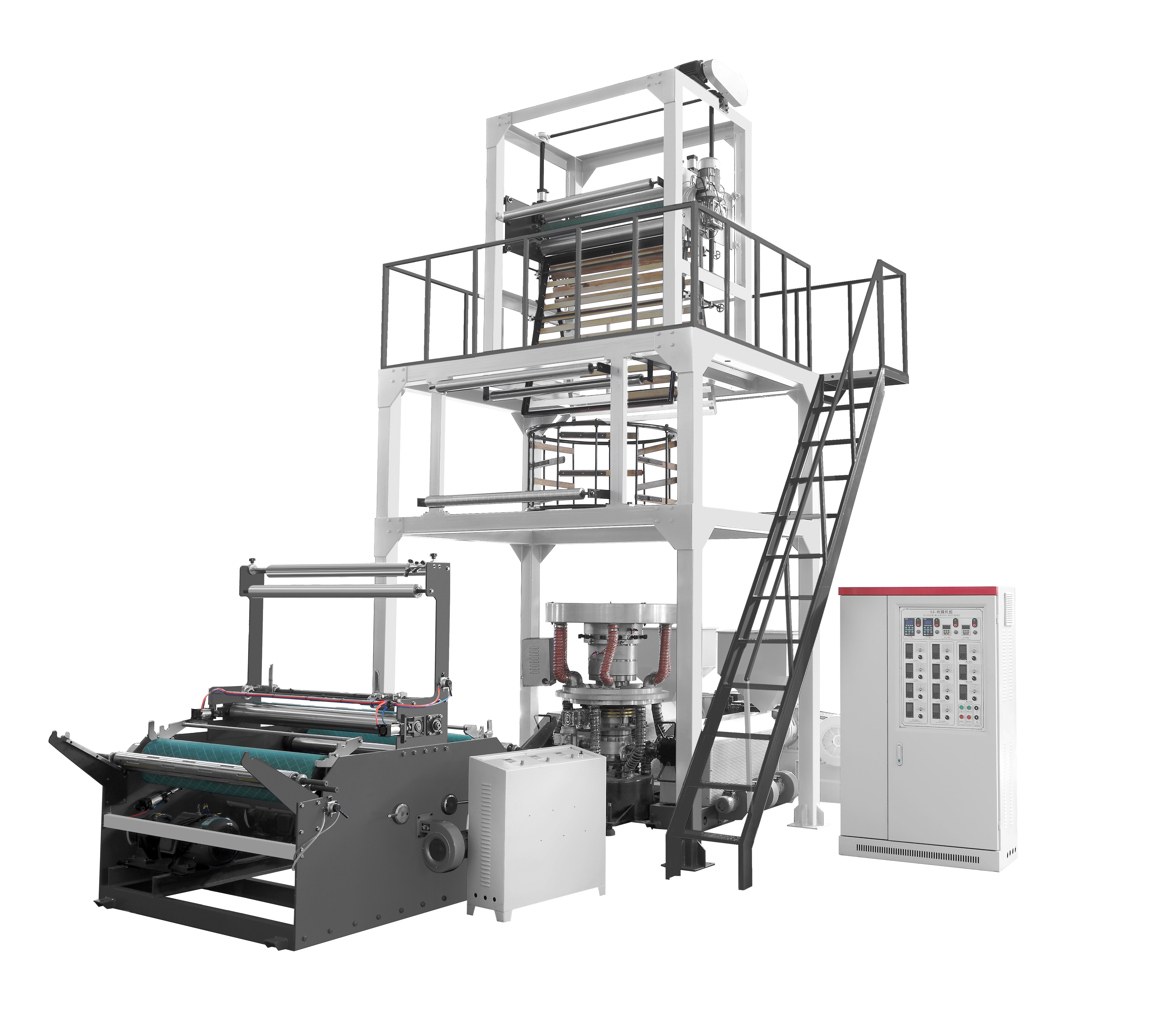
How Energy-Saving Plastic Bag Making Machines Reduce Power Consumption
Understanding Energy-Efficient Manufacturing Principles in Plastic Bag Production
Today's plastic bag production equipment saves energy by matching machine operations to exactly what the heat needs at any given time. Older machines just kept running hot all day long, but newer ones cut down on wasted power by about 18 to 22 percent. They do this smart thing where they switch off heaters and motors when there's nothing being made, according to the latest data from industry reports in 2024. The system still stays ready for action though. Manufacturers find this approach works well because it lowers their electricity bills while keeping productivity levels stable.
Key Technologies That Minimize Energy Use in Modern Plastic Bag Making Machines
Three core innovations drive energy efficiency in sustainable packaging equipment:
- Servo-driven extrusion systems that consume 25% less energy than hydraulic counterparts (Machine Efficiency Journal 2023)
- Induction heating, offering 40% faster thermal response for reduced warm-up and stabilization times
- Closed-loop cooling systems that recover up to 92% of process heat for reuse
Integrated with real-time energy monitoring systems, these technologies maintain temperature stability within ±1.5°C, eliminating energy waste from overheating or frequent recalibration.
Energy Usage Comparison: Traditional vs. Energy-Saving Plastic Bag Making Machine
| Metric | Traditional Machine | Energy-Saving Model |
|---|---|---|
| kWh per 1,000 bags | 8.7 | 6.2 |
| Annual CO₂ emissions | 34 tonnes | 23 tonnes |
| Heat recovery | 0% | 78% |
According to 2023 case studies, facilities upgrading to energy-saving models achieve return on investment within 14–18 months due to combined reductions in energy and material usage. These operations report a 28% average decrease in utility costs annually while sustaining equivalent production volumes.
Material Efficiency and Waste Reduction in Sustainable Bag Production
Innovations in Film Extrusion and Cutting That Improve Material Efficiency
Modern plastic bag production equipment boosts material usage rates somewhere between 12 to almost 18 percent thanks to features like adaptive film calibration and those fancy laser guided cutters we see these days. The machines maintain pretty much uniform polymer thickness around plus or minus 0.005 millimeters, which really cuts down on those messy edges that used to waste about 7 to 9 percent of raw materials back in the day. Another big plus comes from variable frequency heating systems in the extrusion dies. This tech upgrade makes operations run smoother and saves roughly 22 percent on energy costs when compared to older models. A recent study from the Sustainable Manufacturing Report in 2023 actually backs up these numbers, showing just how much better these new systems perform over traditional methods.
Precision Control Systems in the Plastic Bag Making Machine to Reduce Waste
Automated thickness adjustment modules, paired with infrared edge detection, prevent raw material overuse by 300–500 kg per month in mid-sized plants. Real-time pressure monitoring in blown film extrusion reduces defective output by 38%, while predictive algorithms dynamically adjust cutting parameters to maximize yield across production runs.
Case Study: Achieving 30% Waste Reduction With Advanced Automation
A Southeast Asian packaging manufacturer lowered polyethylene waste from 19% to 13.3% after integrating AI-powered quality control into its plastic bag making machines. The $1.2 million investment reached full ROI in 26 months, driven by annual material savings of 320 tons and reduced regulatory penalties tied to waste disposal.
Economic Benefits and ROI of Investing in Energy-Efficient Plastic Bag Making Machines
Long-Term Cost Savings Through Reduced Energy and Maintenance Expenses
Energy-efficient plastic bag making machines deliver 30–40% lower operational costs compared to legacy systems, based on industry benchmarks. Primary contributors include:
- Energy consumption: Servo-driven systems match motor speed to real-time demand, significantly lowering power use
- Maintenance costs: Predictive sensors reduce unplanned downtime by 65% (Packaging Efficiency Report 2023)
- Material waste: Precision controls limit scrap rates to under 4%, versus 15–20% in manual processes
| Cost Factor | Traditional Machines | Energy-Efficient Models |
|---|---|---|
| Annual Energy Use | $18,000 | $11,500 |
| Maintenance Expenses | $7,200 | $2,800 |
| Material Waste | 15% | 3.5% |
| Downtime Costs | $210/hour | $45/hour |
Return on Investment Analysis for Upgrading to Sustainable Packaging Solutions
A 2024 lifecycle cost analysis found that manufacturers recoup investments in energy-saving plastic bag making machines within 18–24 months through:
- Energy rebates – Government programs often provide 15–25% subsidies for ISO 50001-certified equipment
- Production gains – Automated lines produce over 2,000 bags/hour, more than quadrupling output of semi-automated systems
- Extended machine life – Modern units operate beyond 60,000 hours before major servicing, compared to 35,000 for older models
By year three, facilities typically realize 22% higher profit margins from reduced utility expenses and a 94% drop in quality rejections—making the shift to energy-efficient machinery a strategic imperative for mid-to-large-scale producers.
Frequently Asked Questions
What are the primary benefits of using energy-efficient plastic bag making machines?
Energy-efficient machines reduce electricity bills, lower operational costs, minimize material waste, and enhance production efficiency.
How do servo-driven extrusion systems contribute to energy savings?
Servo-driven extrusion systems adjust motor speeds according to demand, consuming less energy than traditional hydraulic systems.
Can facilities expect a quick return on investment after upgrading to energy-saving models?
Yes, most facilities achieve ROI within 18–24 months due to reduced energy consumption and operational efficiency.