
 EN
EN
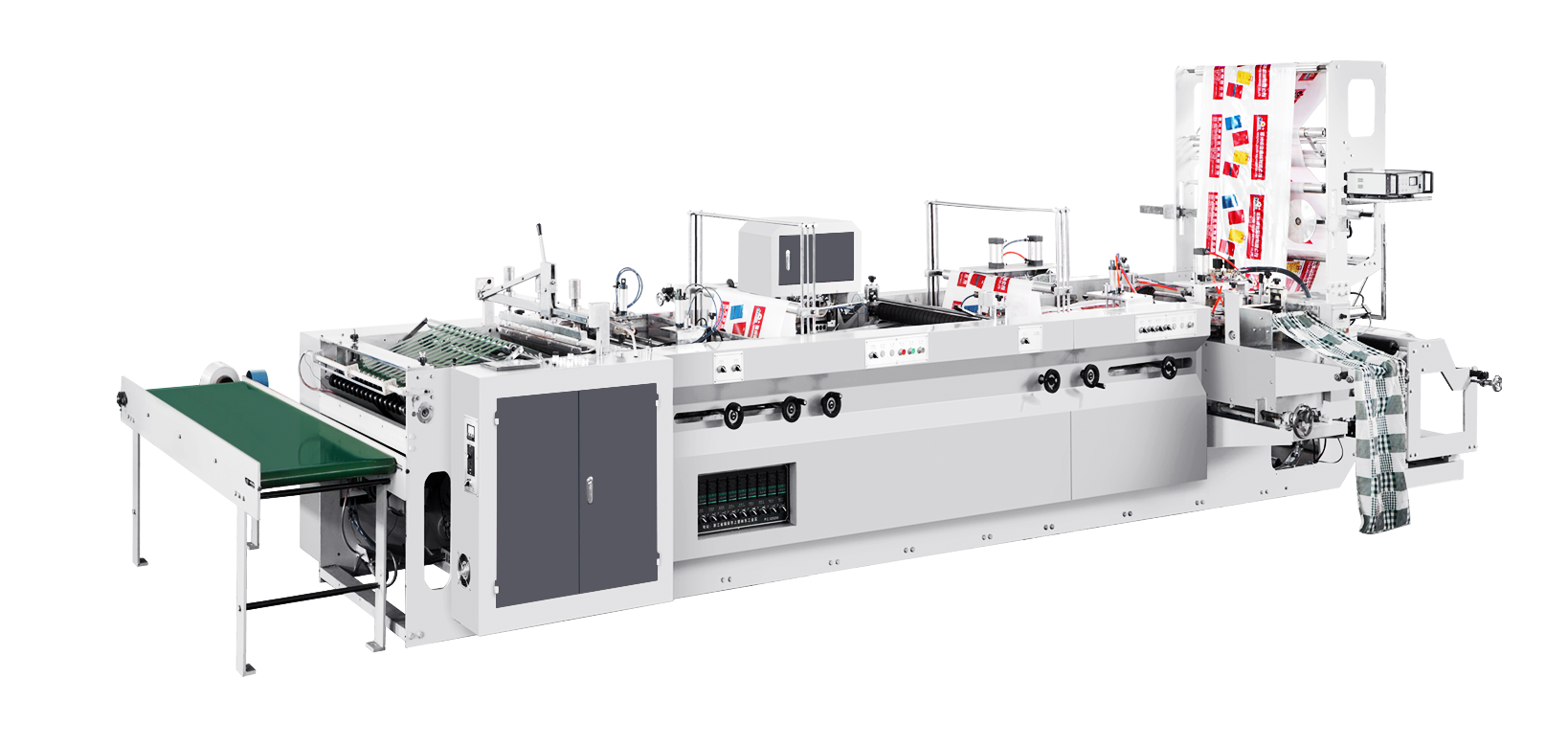
Why Variable-Width Cutting Is Essential for Modern Bag Making Machine Flexibility
Precision Width Adjustment Mechanism and Real-Time Calibration
The servo driven blades let workers tweak bag sizes down to half a millimeter right from those easy to use touch screens. With lasers constantly checking measurements during operation, dimensions stay accurate within 25 microns even when machines are running flat out. No need for all those time consuming manual adjustments anymore, so products come out consistently every single time. For stuff that doesn't pack easily or breaks readily like hand made loaves or delicate pastries, these tiny differences really matter. A fraction of a millimeter off could ruin the whole package or worse still, make it impossible to seal properly without damaging what's inside.
Fixed-Width vs. Variable-Width Bag Making Machine: Output Agility, Waste, and SKU Scalability
Variable-width systems deliver transformative agility compared to fixed-width alternatives enabling rapid SKU diversification without mechanical retrofitting:
| Performance Metric | Fixed-Width Machines | Variable-Width Machines | Improvement |
|---|---|---|---|
| Changeover Time per SKU | 45–60 minutes | <15 minutes | 42% faster |
| Material Utilization Rate | 68–75% | 92%+ | 24% gain |
| Max Supported SKUs | 12 preset sizes | 47+ custom sizes | 291% more |
This flexibility reduces downtime for small-batch orders and cuts annual material waste by 29%, according to the Food Packaging Report 2023. Manufacturers scaling from 12 to 47 bag sizes report 30% higher production yields, achieved through intelligent scheduling of variable-width runs and optimized rollstock usage.
Core Technical Components of a High-Performance Variable-Width Bag Making Machine
Servo-Driven Blade Carriage and Dynamic Web Tension Control
For high precision cutting operations, modern systems use servo driven blade carriages that keep positioning accurate to around 0.1mm even at top speeds. This means operators don't have to constantly recalibrate the machine whenever they change cut widths. The tension control system works dynamically with optical sensors and adjusts brakes as needed to keep the material feeding smoothly through the machine. This helps avoid problems like wrinkling, slipping, or tearing materials during fast changes between different products. These machines can handle a broad spectrum of materials ranging from thin 40 GSM films all the way up to thick 120 GSM laminates. Compared to older mechanical systems, this approach cuts down on material waste by approximately 3.4%, which makes a real difference over time in production costs.
PLC-HMI Integration with Width Preset Libraries for Rapid SKU Switching
Today's variable width bag making equipment relies on PLC-HMI systems to handle storage and execution of hundreds of different width settings. When operators pick their desired dimensions from the touch screen interface, the machine automatically adjusts blade positions, tension controls, and conveyor speeds all at once. The whole process takes less than 15 seconds to complete. For frequent production runs, the centralized recipe system keeps track of all those parameter settings so there's no need to reprogram everything each time. This means better consistency between batches. Manufacturers report around a 42 percent cut in downtime during product changes, plus new staff members get up to speed much faster since they don't have to learn complex programming procedures from scratch.
Measurable Operational ROI of Upgrading to a Variable-Width Bag Making Machine
42% Faster Changeover Time and Reduction in Downtime per Width Variant
Industry benchmarks confirm variable-width systems reduce changeover time by 42% versus fixed-width machines. Automated blade repositioning and tension recalibration eliminate the 15–30 minutes previously lost to manual adjustments per width shift. Additionally, precision alignment minimizes mechanical wear, decreasing unplanned maintenance stops by 19% freeing up over 140 production hours annually for mid-volume manufacturers.
Labor Optimization and Reduced Operator Intervention Across Shifts
After deployment, companies typically see around 20 to 30 percent savings on labor costs. When operators have access to HMI preset recall features, they're able to handle several production lines at once while switching between different product SKUs. This cuts down on those pesky manual measurement mistakes and reduces rework by nearly a third according to field reports. The workforce has also changed quite a bit - workers who've gone through cross training programs are now managing triple the number of machines compared to before. All these improvements stack up pretty nicely, leading most businesses to achieve their full return on investment somewhere between 18 and 24 months after implementation. The main drivers here are increased production throughput and smarter allocation of personnel across departments.
Real-World Validation: How a Food Packaging Manufacturer Achieved 29% Waste Reduction
Scaling from 12 to 47 Custom Widths – Workflow, Training, and Integration Insights
When a major food manufacturer switched from fixed width to variable width bag making machines, they saw their material waste drop by almost 30%. Their bag options jumped from just 12 standard sizes to no fewer than 47 different dimensions. What made this work? Well, there were really three main things that mattered. First, they completely redesigned how their production line worked so nobody had to do those tedious manual changeovers anymore. Second, they spent time training operators specifically on these PLC preset libraries, which honestly took some getting used to but paid off big time. And third, everything connected smoothly with the filling lines down the road. The operators actually got pretty good at changing widths too, doing it in under 90 seconds flat. That's about 42% quicker than most folks in the industry manage with traditional mechanical setups, all through that handy HMI touchscreen interface. When they started matching cutting specs exactly to what each order needed in terms of rollstock dimensions, trim waste went down by nearly 19 metric tons every year. According to Sustainable Packaging Coalition data from 2023, this translated into around $740k saved annually on materials alone. Plus, having all those extra sizes meant they could take on special orders that used to be too small or weird to bother with commercially.
FAQs
What are the benefits of using variable-width bag making machines over fixed-width ones?
Variable-width bag making machines offer significant advantages such as faster changeover times, increased material utilization rates, and the ability to support a wider range of SKU sizes, which leads to reduced downtime and waste.
How do servo-driven blade carriages improve operation in bag making machines?
Servo-driven blade carriages provide high precision in cutting operations, maintaining positioning accuracy even at top speeds, and reducing the need for constant recalibration, which enhances efficiency and product consistency.
How does PLC-HMI integration benefit bag making processes?
PLC-HMI integration allows for rapid switching between different product dimensions by storing and executing preset width settings, significantly cutting down on downtime and ensuring consistency across batches.
What is the ROI timeframe for investing in a variable-width bag making machine?
Most businesses achieve their full return on investment in variable-width bag making machines between 18 and 24 months, thanks to increased production throughput and reduced labor costs.
How can switching to variable-width machines reduce material waste?
Variable-width machines reduce material waste through optimized rollstock usage and by allowing precise alignment with order specifications, cutting down on unnecessary trim and scraps.
Table of Contents
- Why Variable-Width Cutting Is Essential for Modern Bag Making Machine Flexibility
- Core Technical Components of a High-Performance Variable-Width Bag Making Machine
- Measurable Operational ROI of Upgrading to a Variable-Width Bag Making Machine
- Real-World Validation: How a Food Packaging Manufacturer Achieved 29% Waste Reduction
-
FAQs
- What are the benefits of using variable-width bag making machines over fixed-width ones?
- How do servo-driven blade carriages improve operation in bag making machines?
- How does PLC-HMI integration benefit bag making processes?
- What is the ROI timeframe for investing in a variable-width bag making machine?
- How can switching to variable-width machines reduce material waste?