
 EN
EN
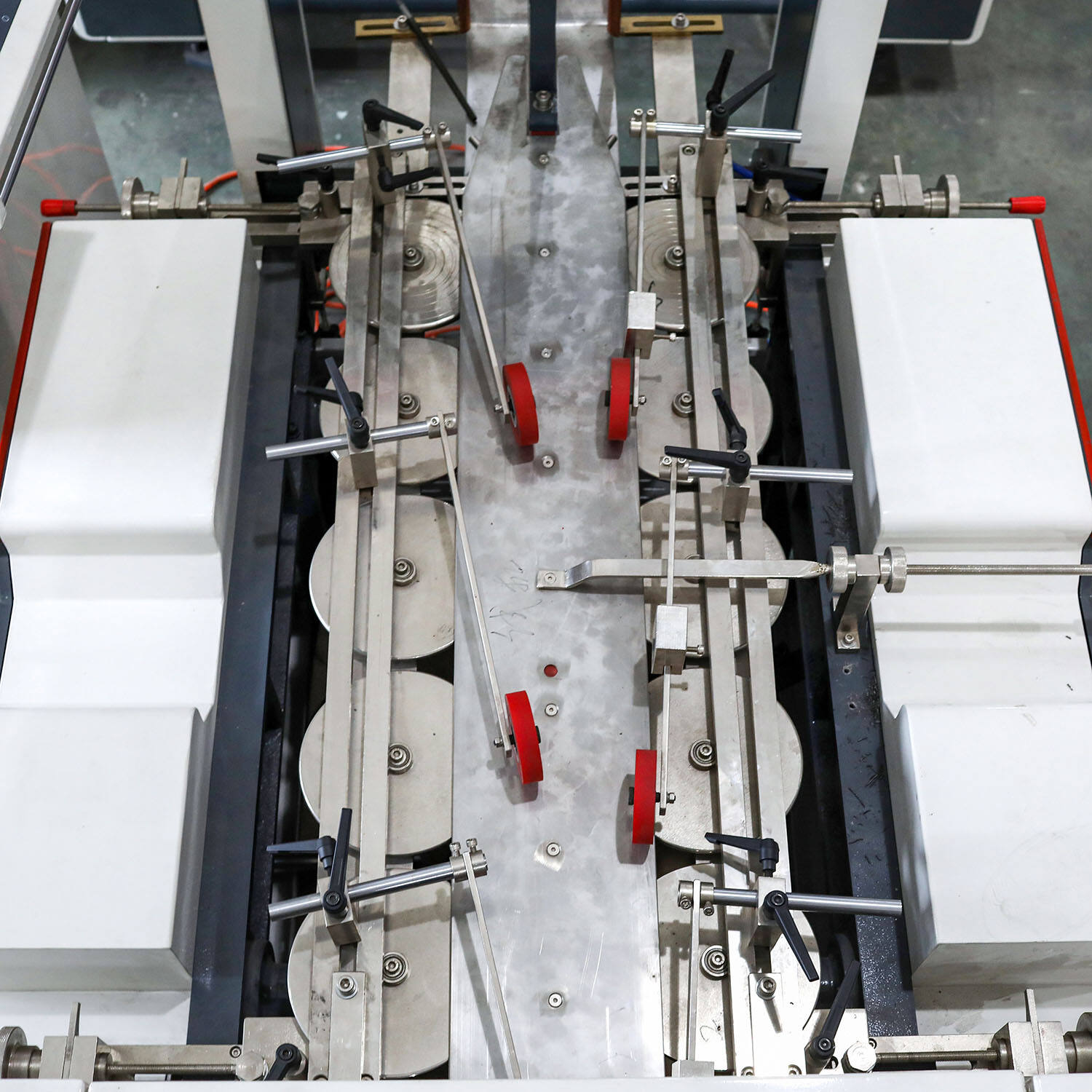
Why Retailers Prioritize High-Efficiency Paper Bag Making Machines
More and more stores are turning to efficient paper bag manufacturing equipment because they need to handle both day-to-day operations and green initiatives better. The new machines can crank out around 400 bags per minute, which is way faster than any person could manage. This speed helps businesses keep up during busy seasons without waiting weeks for outside vendors to deliver. What's really nice about these automated systems is that they make sure all bags come out the same size, hold together well, and have properly aligned logos or text. When customers grab a bag at checkout, it looks professional and reinforces the store's image, something that matters a lot when people shop regularly at the same place.
Looking at the bottom line, going this route makes good business sense. Manual work typically costs around $18 an hour for each person according to recent data from the U.S. Bureau of Labor Statistics. Automated systems cut these labor expenses down somewhere between half to three quarters and also help minimize waste because they can optimize how materials are cut. A major supermarket group in Europe actually saw their investment pay off within just over a year when they started making products themselves instead of outsourcing. They took those savings and used them to open new stores across different regions. What's interesting is that today's machinery works well with all sorts of green alternatives such as recycled paperboard or biodegradable coatings. This fits nicely with what regulators want and matches what most shoppers care about these days. About seven out of ten consumers seem to prefer packaging that doesn't harm the planet according to Pew Research findings last year. When companies combine smart operations with real commitment to sustainability, they find ways to grow bigger without breaking the bank.
Fully Automatic Paper Bag Making Machine: Speed, Precision, and Retail Scalability
The retail world needs packaging that can keep up with fast production speeds without compromising on quality every single time. That's where fully automatic paper bag makers come in handy. These machines take those big rolls of paper and turn them into ready-to-use retail bags all in one go. The whole operation works like clockwork from start to finish. They punch out the handles, fold those square bottoms properly, apply just the right amount of glue, then cut each bag to size everything happens without stopping. No need for workers to move products between stations which slows things down. Brands love these systems because they cut down on wasted materials around 15% better than older semi-automated setups. Plus, every bag comes out looking exactly the same, something retailers really care about when displaying their products on store shelves.
Integrated workflow: handle punching, bottom folding, gluing, and cutting in one continuous cycle
What makes this technology stand out is how all the different parts work together so smoothly. The machines start by punching handle holes with incredible precision, almost down to the millimeter mark. Then comes the bottom folding part where special mandrels help create really strong structures that won't bend easily. For sealing, they use food safe glues sprayed through these ultrasonic nozzles that actually change thickness as needed to make sure nothing leaks. And those cutting blades? They spin around and give clean edges every time without any rough spots. The whole setup cuts down on switching between different product types by about 40%. Retailers love this because they can quickly move from regular kraft paper to recycled stuff or fancy laminates whenever needed. No waiting around for adjustments means stores can stock whatever sells best during holidays or when launching new brand lines.
Output benchmarks: 200–400 bags/minute for medium-to-high-volume retail packaging lines
Throughput matters a lot when retailers want to grow their operations. The best paper bag making machines can produce between 200 to 400 bags every minute, which works out to around 12,000 to 24,000 bags an hour. That kind of speed meets the needs of most mid sized grocery stores that typically need over half a million bags each week. And here's something important about those speeds they still maintain good quality standards. These machines come equipped with special vision systems that check for defects as the bags are being made. Any bag with handle problems or weak seals gets rejected automatically every 30 milliseconds. Industry reports show that switching to automated systems cuts down on labor expenses by about 60 percent. Plus it allows for production right when needed, so there's no need to stockpile extra inventory. For anyone looking at different machine options, look for ones that have early warning systems for maintenance issues and some sort of dashboard showing how effective the equipment really is. This helps keep everything running smoothly even during busy times.
Square Bottom Paper Bag Making Machine: Engineering Stability and Brand Impact
Square bottom paper bag makers are changing how stores package their goods, bringing together good design with better branding opportunities. These machines create bags with bottoms that actually stay upright on their own, so products don't fall out and everything looks great on store shelves. According to Packaging Innovation Report from last year, retailers see about 40% better stability when using these bags over regular ones, which means less time spent restocking and happier customers browsing through displays. The corners are built stronger too, letting them hold around 25% more weight without tearing apart. And those flat sides give businesses roughly 30% extra space for printing their logos and all the required information, turning every single bag into something like walking advertisements. For most shops, this combination of standing tall, lasting longer, and looking professional makes square bottom bags worth considering for their next packaging solution.
How square bottom design enhances shelf presence, load-bearing capacity, and print-ready surface area
The square bottom configuration delivers three measurable advantages:
- Shelf Presence: Self-standing bags prevent tipping, ensuring products remain visible at point-of-sale. This reduces restocking labor by 18% while boosting impulse purchases.
- Load-Bearing Capacity: Interlocked base folds and reinforced seams enable 50% heavier payloads versus flat-bottom alternatives, minimizing double-bagging waste.
- Print-Ready Surface Area: Uninterrupted side panels accommodate complex graphics and compliance text without distortion, strengthening brand recall.
Automated square bottom paper bag machines achieve this through precision creasing and gluing mechanisms that maintain ±0.3mm dimensional accuracy across productions—critical for branding consistency.
Selecting the Right Paper Bag Making Machine for Your Retail Operation
Key evaluation criteria: material compatibility (kraft, recycled, laminated), bag size flexibility, and OEE-optimized maintenance design
When selecting a paper bag manufacturing equipment, retailers should focus on three main factors that really matter. First up is material flexibility. The machine needs to handle different types of stock including regular kraft paper, various levels of recycled content from 30% all the way to fully recycled options, plus those special laminated materials too. This variety helps stores stay green and fulfill what their customers want. Next comes the ability to switch between different bag sizes quickly. From small 4 by 6 inch pouches for fancy shops to larger 12 by 18 inch carry bags for everyday shopping, good machines allow changing sizes without needing tools and usually takes less than ten minutes. That means businesses can adjust production fast when seasons change or trends shift. Lastly, proper maintenance design based around Overall Equipment Effectiveness principles makes all the difference. Look for machines built with replaceable parts, smart diagnostic systems connected to the internet, and common spare parts available locally. According to Packaging Digest last year, these features cut down unexpected breakdowns by around 40%. All three aspects together mean better return on investment as sales grow, plus consistent branding throughout different store locations.
FAQ
What are the benefits of using a paper bag making machine? Retailers benefit from consistent bag size and improved quality of logos and text, leading to a professional appearance. Automated systems also reduce labor costs and material waste.
How do square bottom paper bags enhance product display? Square bottom bags stand upright, providing better shelf presence, load-bearing capacity, and additional printing surface area for improved branding.
What should retailers consider when choosing a paper bag making machine? Retailers should consider material compatibility, size flexibility, and maintenance design based on Overall Equipment Effectiveness for optimal investment returns.
Table of Contents
- Why Retailers Prioritize High-Efficiency Paper Bag Making Machines
- Fully Automatic Paper Bag Making Machine: Speed, Precision, and Retail Scalability
- Square Bottom Paper Bag Making Machine: Engineering Stability and Brand Impact
- Selecting the Right Paper Bag Making Machine for Your Retail Operation
- FAQ