
 EN
EN
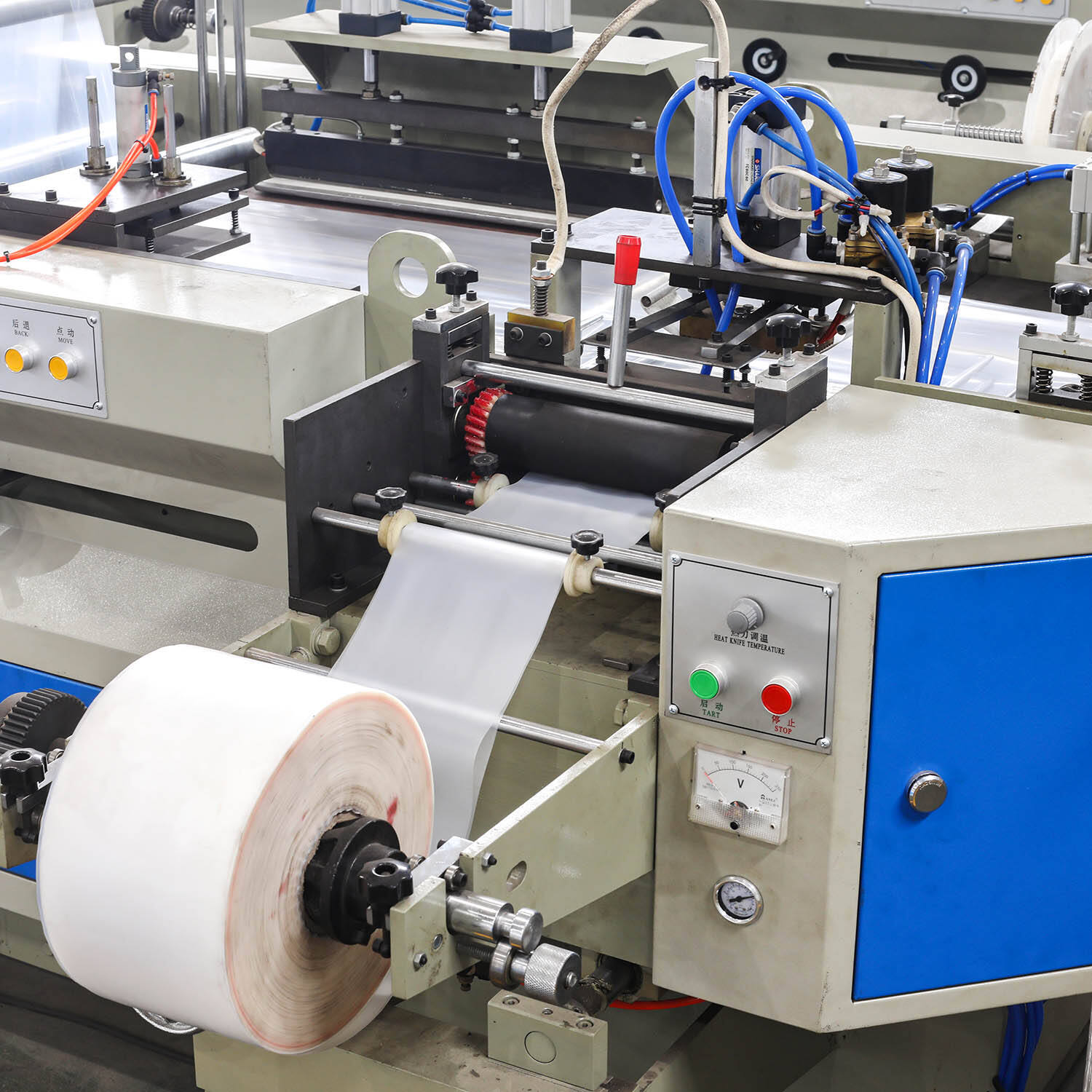
Why Modern Bag Making Machines Are Essential for Custom Shopping Bag Production
Personal branding is changing how we look at custom shopping bags, turning them from simple carryalls into powerful marketing tools. Traditional hand made methods just cant keep up with the need for detailed artwork, different sizes, and eco friendly materials anymore. When things dont match up perfectly, it hurts how customers see the brand. That's where modern bag manufacturing comes in handy. These machines automate the whole process so they can handle all those tricky requirements without breaking a sweat. The really good ones use precision servos that hit within half a millimeter accuracy on every single bag produced. This means consistent gusset sizes, properly placed handles, and prints that line up exactly right something regular workers simply cant match consistently. Manual shops typically end up with around 15 to 20 percent defective products when handling custom jobs, according to industry reports.
Automated systems don't just improve quality but also speed up switching between different setups by around 90%. This means companies can profitably produce smaller batches of environmentally friendly products. The ability to adapt quickly matters a lot these days since roughly two thirds of shoppers want green packaging choices from their favorite brands. When manufacturers combine cutting, folding, sealing operations along with handle attachments in one smooth process, they save about half the labor costs compared to older semi-automated equipment. Plus production rates jump threefold reaching over 120 bags every minute. With such improvements, businesses can expand their custom packaging offerings while still meeting tight deadlines, maintaining product quality standards, and keeping consistent branding across all packages.
How Bag Making Machines Support Key Customization Dimensions: Size, Handle, and Structure
Modern bag making machines deliver unmatched flexibility through modular architectures and adaptive material handling—enabling manufacturers to meet diverse retail demands without compromising production efficiency.
Modular Design Enables Rapid Changeovers Between Bag Types (SOS, Vest, Tank Top, Square Bottom)
Servo-driven systems allow operators to reconfigure settings for different bag profiles in minutes via intuitive touchscreen interfaces. For example:
- Switching between SOS and square-bottom styles requires only digital parameter adjustments
- Tank top handles are integrated inline without mechanical retooling
- Vest-style conversion eliminates manual gear changes through programmable logic controllers
This reduces changeover downtime by 70% compared to conventional systems, supporting economically viable small-batch runs as low as 500 units.
Precision Handling of Diverse Materials: Paper, Plastic, Laminated, and Recycled Blends
Advanced tension control and ultrasonic sensors ensure consistent processing across material variations:
| Material Type | Critical Adjustment | Output Benefit |
|---|---|---|
| Recycled paper | Variable web tension | Reduced tear rates (>3%) |
| Laminated plastics | Temperature modulation | Seam integrity at 15kg load |
| Bioplastic blends | Modified seal pressure | Thickness variance <0.1mm |
Integrated vision systems detect material inconsistencies—such as shifts in recycled fiber density up to 12%—and automatically compensate in real time. This prevents jams and preserves structural uniformity, especially critical when working with sustainability-focused substrates.
Selecting the Right Bag Making Machine Based on Production Requirements
Matching Machine Capabilities to Bag Specifications: Width, Gusset Depth, Handle Type, and Print Area
Precisely aligning machine specifications with your bag design eliminates production bottlenecks. Key parameters include:
- Width handling: Must accommodate target bag dimensions without material waste
- Gusset depth range: Essential for distinguishing stand-up pouches from flat-bottom designs
- Handle attachment systems: Dedicated mechanisms for looped, die-cut, or ribbon handles
- Printable area: Minimum 30% surface coverage ensures effective branding compliance
Machines with adjustable servo controls enable seamless transitions between custom specifications—cutting changeover time by up to 70% versus mechanical systems.
Evaluating Automation Level and Integration Readiness for Smart Factory Workflows
Automation tier directly impacts scalability, labor efficiency, and long-term ROI:
| Automation Level | Output Capacity | Labor Requirement | ROI Timeframe |
|---|---|---|---|
| Semi-Automatic | ≥5,000 bags/day | 3–5 operators | 12–18 months |
| Fully Automatic | 15,000+ bags/day | 1–2 operators | 8–12 months |
Prioritize ISO-certified machines with OPC-UA compatibility for plug-and-play integration into IIoT environments. This enables real-time production monitoring and predictive maintenance—reducing unplanned downtime by 45%, according to peer-reviewed packaging efficiency studies published by the Journal of Manufacturing Systems.
FAQ
Why are modern bag making machines crucial for custom shopping bags?
They automate processes to maintain precision, reduce defects, and meet modern demands for eco-friendly, detailed designs.
How do these machines affect production efficiency?
They significantly speed up configuration changes, thus allowing for adaptable and profitable small-batch productions.
What materials can modern bag making machines handle?
These machines are designed to handle a wide variety of materials, including recycled paper, laminated plastics, and bioplastic blends, while adjusting for material-specific characteristics.
What features should be considered when selecting a bag making machine?
Key features include compatibility with bag specifications such as width and handle type, as well as ease of integration into smart factory workflows.